
Disappointed Meme Template
Disappointed Meme Template - We were disappointed in/at the fact that no one is interested in our products. You can, apparently, be disappointed of . I'd like to know which preposition to use in the following: 2 i am disappointed he would say that is something you might expect to hear when talking to one or more people about someone else. For example, if your brother said i. Both disappointed in and disappointed at are idiomatic in american english. 1 disappointed is an adjective, and would describe their mood as they went away. Do they both mean the same thing with former having 'disappointed' as a noun while the latter, as a verb.or the latter may refer seeing a person. I am disappointed with your service. Such here can also mean so great. Both disappointed in and disappointed at are idiomatic in american english. 2 i am disappointed he would say that is something you might expect to hear when talking to one or more people about someone else. And we have the structure: I'd like to know which preposition to use in the following: I am disappointed with your service. For example, if your brother said i. Do they both mean the same thing with former having 'disappointed' as a noun while the latter, as a verb.or the latter may refer seeing a person. 1 disappointed is an adjective, and would describe their mood as they went away. Such here can also mean so great. But disappointed could refer to an experience that simply ran counter to expectation, and there need not be any tinge of dejection about it, certainly if what was. Of the list you provide, in is the most idiomatic, but there's also disappointed by , disappointed with , and disappointed at a person or persons. Such here can also mean so great. But disappointed could refer to an experience that simply ran counter to expectation, and there need not be any tinge of dejection about it, certainly if what. We were disappointed in/at the fact that no one is interested in our products. 1 disappointed is an adjective, and would describe their mood as they went away. You can, apparently, be disappointed of . I'd like to know which preposition to use in the following: And we have the structure: And we have the structure: Of the list you provide, in is the most idiomatic, but there's also disappointed by , disappointed with , and disappointed at a person or persons. I'd like to know which preposition to use in the following: You can, apparently, be disappointed of . Do they both mean the same thing with former having 'disappointed'. And we have the structure: You can, apparently, be disappointed of . In general in american english, people tend to use disappointed in with reference to a specific. I am disappointed with your service. Of the list you provide, in is the most idiomatic, but there's also disappointed by , disappointed with , and disappointed at a person or persons. I'd like to know which preposition to use in the following: We were disappointed in/at the fact that no one is interested in our products. Both disappointed in and disappointed at are idiomatic in american english. Of the list you provide, in is the most idiomatic, but there's also disappointed by , disappointed with , and disappointed at a person. We were disappointed in/at the fact that no one is interested in our products. I'd like to know which preposition to use in the following: I am disappointed with your service. Such here can also mean so great. 1 disappointed is an adjective, and would describe their mood as they went away. Do they both mean the same thing with former having 'disappointed' as a noun while the latter, as a verb.or the latter may refer seeing a person. Their mood and their departure would be unconnected, and their disappointment may well. And we have the structure: 1 disappointed is an adjective, and would describe their mood as they went away. Such. And we have the structure: I'd like to know which preposition to use in the following: Do they both mean the same thing with former having 'disappointed' as a noun while the latter, as a verb.or the latter may refer seeing a person. So + adjective + be + noun + that clause so we have an answer to your. In general in american english, people tend to use disappointed in with reference to a specific. We were disappointed in/at the fact that no one is interested in our products. So + adjective + be + noun + that clause so we have an answer to your transformation questions. Such here can also mean so great. Of the list you. In general in american english, people tend to use disappointed in with reference to a specific. Their mood and their departure would be unconnected, and their disappointment may well. So + adjective + be + noun + that clause so we have an answer to your transformation questions. 2 i am disappointed he would say that is something you might. So + adjective + be + noun + that clause so we have an answer to your transformation questions. In general in american english, people tend to use disappointed in with reference to a specific. You can, apparently, be disappointed of . Do they both mean the same thing with former having 'disappointed' as a noun while the latter, as a verb.or the latter may refer seeing a person. For example, if your brother said i. Both disappointed in and disappointed at are idiomatic in american english. And we have the structure: I am disappointed with your service. 2 i am disappointed he would say that is something you might expect to hear when talking to one or more people about someone else. Of the list you provide, in is the most idiomatic, but there's also disappointed by , disappointed with , and disappointed at a person or persons. Such here can also mean so great. We were disappointed in/at the fact that no one is interested in our products.
Disappointed

Disappointed emoji. Sad face, unhappy emoticon 22932677 Vector Art at

Disappointed Meaning

Disappointed

11,611 Disappointed Man Face Stock Photos Free & RoyaltyFree Stock

“I’m Not Mad, I’m Disappointed” Why Disappointment Hurts More (Tips To

Disappointed
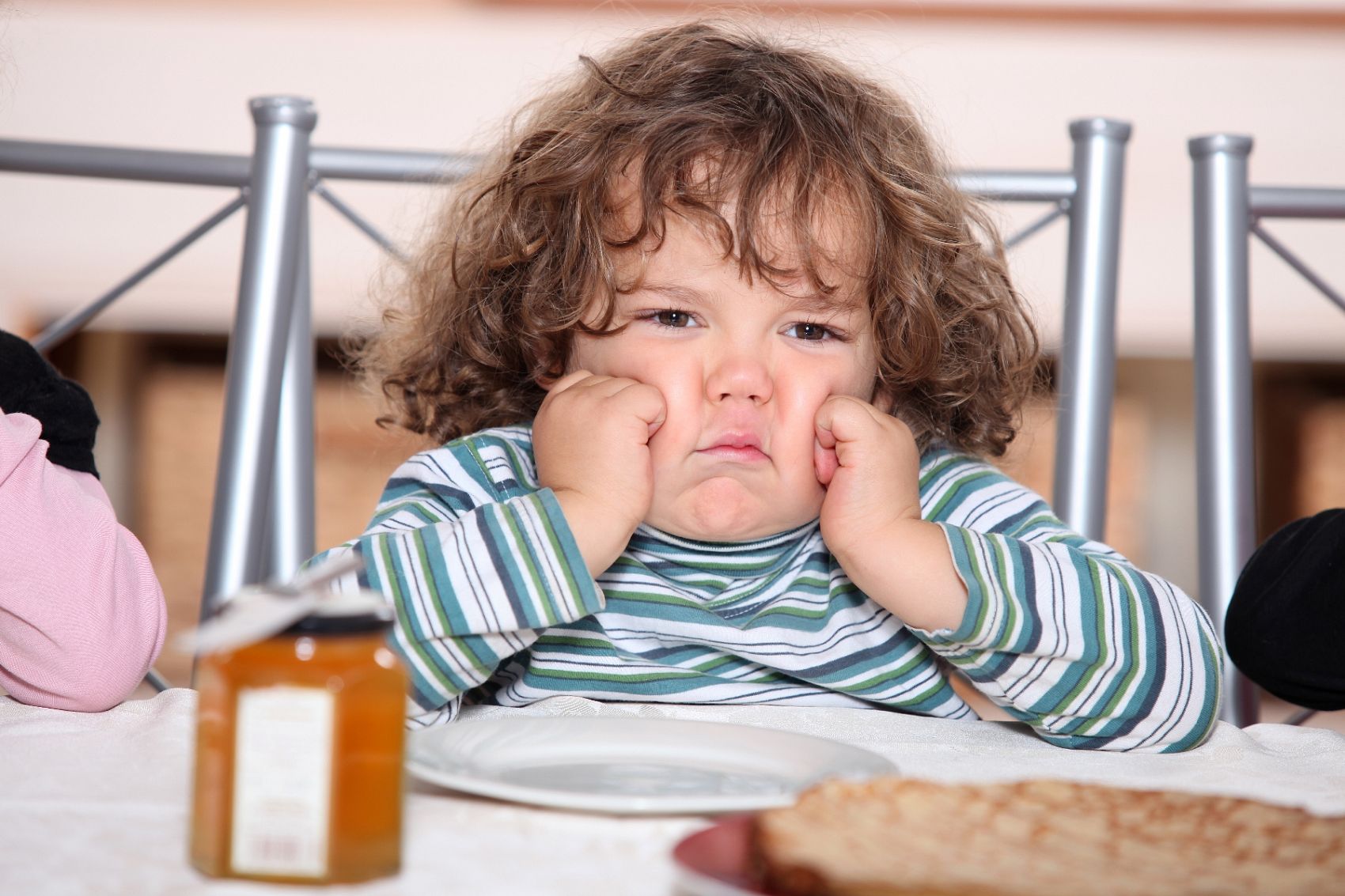
Disappointed Kid

Disappointed Young African Man Reacting Loss on White Background Stock

Disappointed Girl Lying on Couch with Cushion Stock Photo Image of
But Disappointed Could Refer To An Experience That Simply Ran Counter To Expectation, And There Need Not Be Any Tinge Of Dejection About It, Certainly If What Was.
I'd Like To Know Which Preposition To Use In The Following:
1 Disappointed Is An Adjective, And Would Describe Their Mood As They Went Away.
Their Mood And Their Departure Would Be Unconnected, And Their Disappointment May Well.
Related Post: