
Hypokalemia System Disorder Template
Hypokalemia System Disorder Template - If the potassium in your blood serum is below 3.5 mmol/l, you have hypokalemia. Learn how upmc experts find the cause of low potassium levels and deliver effective care. Mild low potassium may show no symptoms, while more severe low potassium symptoms can. Hypokalemia occurs when your body. Potassium helps control how your muscles, heart, and digestive system work. The medical term for this condition is hypokalemia. Hypokalemia is often caused by an excessive loss of potassium in your digestive tract due to vomiting, diarrhea or laxative use. Low potassium (hypokalemia) symptoms depend on the severity of your case. Learn about low potassium levels, diet, causes, signs, and side effects. It is needed for healthy function of nerve and muscles cells, especially. Hypokalemia is a low level of potassium in your blood. Learn about low potassium levels, diet, causes, signs, and side effects. Low potassium (hypokalemia) symptoms depend on the severity of your case. Normal potassium levels in humans are between 3.5 and 5.0 mmol/l (3.5 and 5.0 meq/l) with levels below 3.5 mmol/l defined as hypokalemia. Hypokalemia occurs when your body. Symptoms of low potassium (hypokalemia) include vomiting, nausea, constipation, low blood pressure, and more. Hypokalemia is serum potassium concentration < 3.5 meq/l (< 3.5 mmol/l) caused by a deficit in total body potassium stores or abnormal movement of potassium into cells. If the potassium in your blood serum is below 3.5 mmol/l, you have hypokalemia. It is needed for healthy function of nerve and muscles cells, especially. Hypokalemia has associations with cardiac disease, renal failure, malnutrition,. Potassium helps carry electrical signals to cells in your body. It is needed for healthy function of nerve and muscles cells, especially. Learn how upmc experts find the cause of low potassium levels and deliver effective care. Low potassium (hypokalemia) symptoms depend on the severity of your case. Hypokalemia has associations with cardiac disease, renal failure, malnutrition,. The medical term for this condition is hypokalemia. Symptoms of low potassium (hypokalemia) include vomiting, nausea, constipation, low blood pressure, and more. Learn about low potassium levels, diet, causes, signs, and side effects. Hypokalemia has associations with cardiac disease, renal failure, malnutrition,. [1][2] it is classified as severe when levels. Mild low potassium may show no symptoms, while more severe low potassium symptoms can. If the potassium in your blood serum is below 3.5 mmol/l, you have hypokalemia. Learn about low potassium levels, diet, causes, signs, and side effects. Hypokalemia has associations with cardiac disease, renal failure, malnutrition,. [1][2] it is classified as severe when levels. Normal potassium levels in humans are between 3.5 and 5.0 mmol/l (3.5 and 5.0 meq/l) with levels below 3.5 mmol/l defined as hypokalemia. Hypokalemia is a common electrolyte disturbance not given as much attention as hyperkalemia. Hypokalemia is a low level of potassium in your blood. Hypokalemia occurs when your body. It is needed for healthy function of nerve and. Hypokalemia is often caused by an excessive loss of potassium in your digestive tract due to vomiting, diarrhea or laxative use. Other causes include certain medications and some adrenal. Hypokalemia is a common electrolyte disturbance not given as much attention as hyperkalemia. Hypokalemia is serum potassium concentration < 3.5 meq/l (< 3.5 mmol/l) caused by a deficit in total body. The medical term for this condition is hypokalemia. Hypokalemia is often caused by an excessive loss of potassium in your digestive tract due to vomiting, diarrhea or laxative use. Hypokalemia has associations with cardiac disease, renal failure, malnutrition,. Hypokalemia occurs when your body. Normal potassium levels in humans are between 3.5 and 5.0 mmol/l (3.5 and 5.0 meq/l) with levels. Hypokalemia is a low level of potassium in your blood. Hypokalemia occurs when your body. It is needed for healthy function of nerve and muscles cells, especially. Normal potassium levels in humans are between 3.5 and 5.0 mmol/l (3.5 and 5.0 meq/l) with levels below 3.5 mmol/l defined as hypokalemia. If the potassium in your blood serum is below 3.5. Low potassium (hypokalemia) symptoms depend on the severity of your case. Normal potassium levels in humans are between 3.5 and 5.0 mmol/l (3.5 and 5.0 meq/l) with levels below 3.5 mmol/l defined as hypokalemia. Symptoms of low potassium (hypokalemia) include vomiting, nausea, constipation, low blood pressure, and more. Hypokalemia is a low level of potassium in your blood. Hypokalemia is. Other causes include certain medications and some adrenal. Symptoms of low potassium (hypokalemia) include vomiting, nausea, constipation, low blood pressure, and more. Hypokalemia is a low level of potassium in your blood. It is needed for healthy function of nerve and muscles cells, especially. Potassium helps carry electrical signals to cells in your body. Hypokalemia is a common electrolyte disturbance not given as much attention as hyperkalemia. Learn about low potassium levels, diet, causes, signs, and side effects. It is needed for healthy function of nerve and muscles cells, especially. Potassium helps control how your muscles, heart, and digestive system work. Hypokalemia is a low level of potassium in your blood. Learn about low potassium levels, diet, causes, signs, and side effects. The medical term for this condition is hypokalemia. Potassium helps carry electrical signals to cells in your body. Symptoms of low potassium (hypokalemia) include vomiting, nausea, constipation, low blood pressure, and more. If the potassium in your blood serum is below 3.5 mmol/l, you have hypokalemia. Low potassium (hypokalemia) symptoms depend on the severity of your case. Hypokalemia has associations with cardiac disease, renal failure, malnutrition,. Learn how upmc experts find the cause of low potassium levels and deliver effective care. It is needed for healthy function of nerve and muscles cells, especially. Hypokalemia is a common electrolyte disturbance not given as much attention as hyperkalemia. Hypokalemia is often caused by an excessive loss of potassium in your digestive tract due to vomiting, diarrhea or laxative use. Hypokalemia is a low level of potassium in your blood. Normal potassium levels in humans are between 3.5 and 5.0 mmol/l (3.5 and 5.0 meq/l) with levels below 3.5 mmol/l defined as hypokalemia. Hypokalemia occurs when potassium levels in your blood are too low. Hypokalemia occurs when your body. [1][2] it is classified as severe when levels.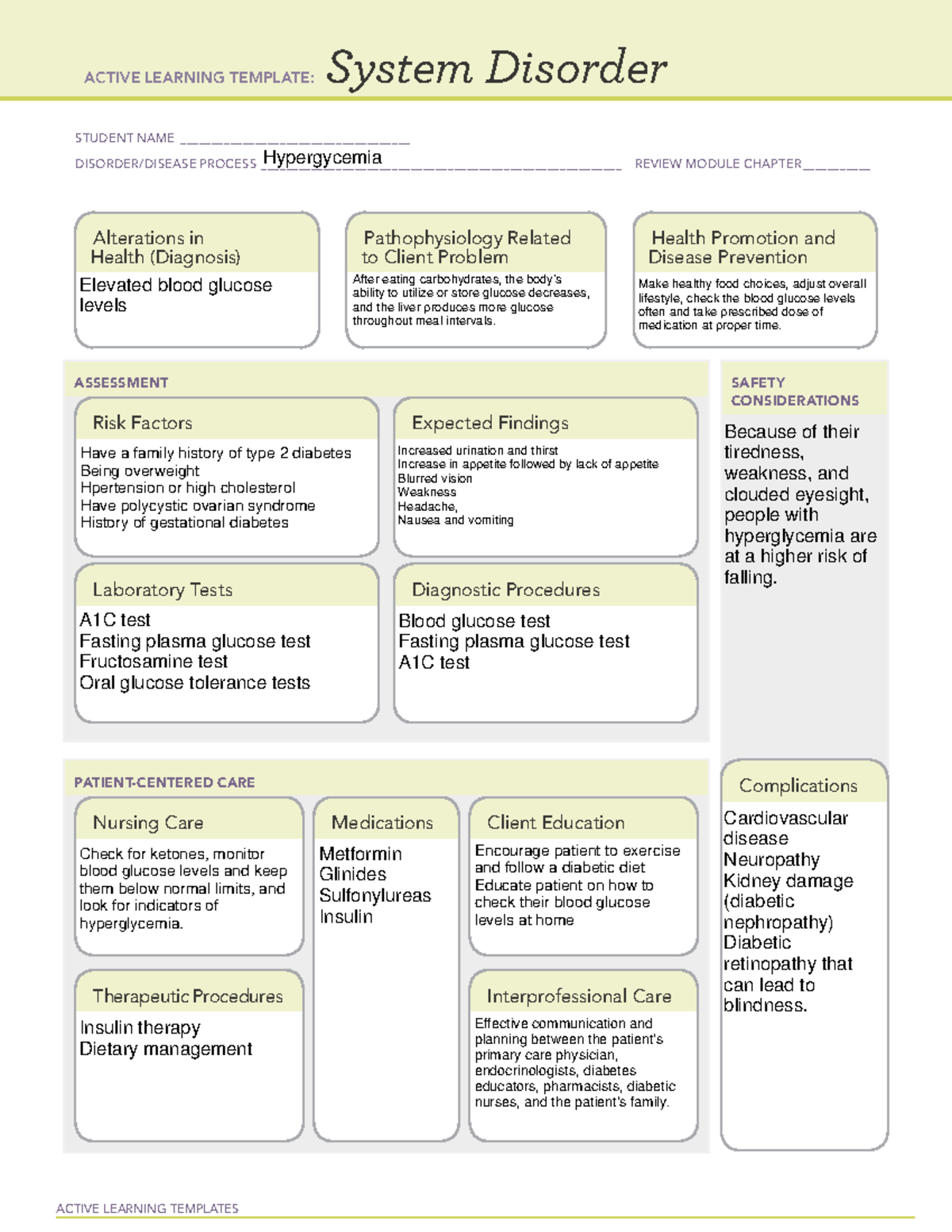
Hypokalemia System Disorder Template

Hypokalemia System Disorder Template Printable Word Searches
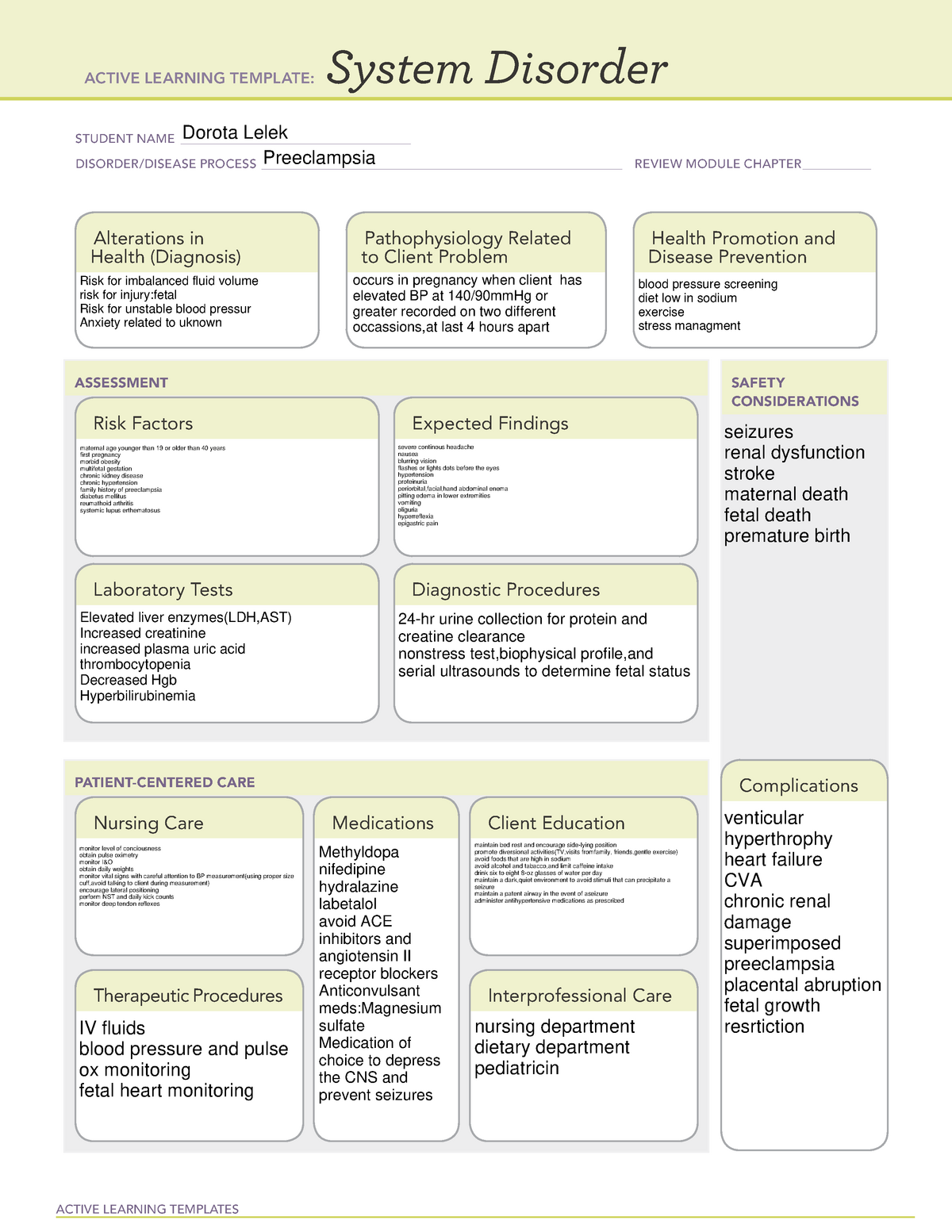
Hypokalemia System Disorder Template

Endocrine System Hypokalemia Management ditki medical & biological
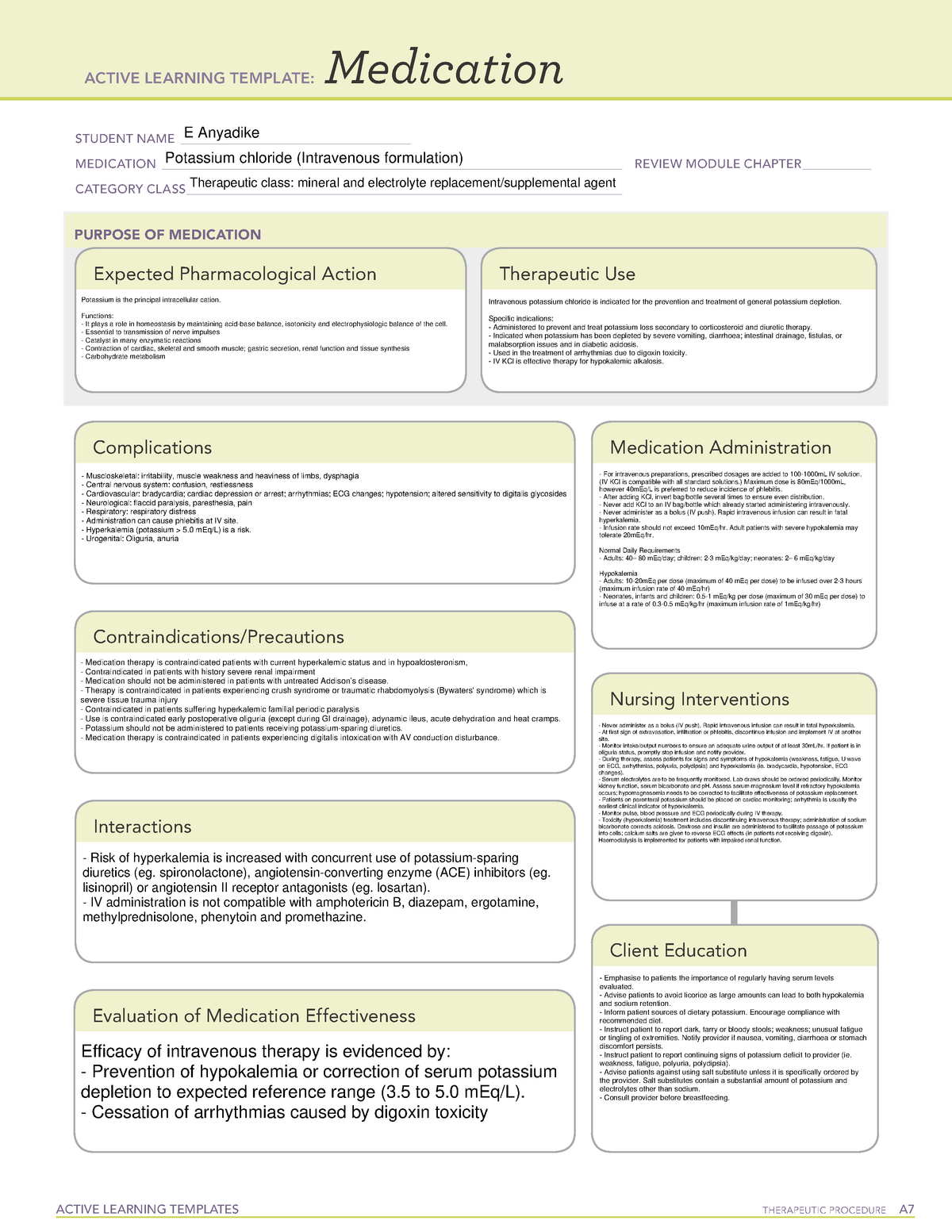
Hypokalemia System Disorder Template

Hypokalemia System Disorder Template Content Calendar Template

Hyperkalemia System Disorder Template
Anemia System Disorder Template

Hypokalemia System Disorder Template
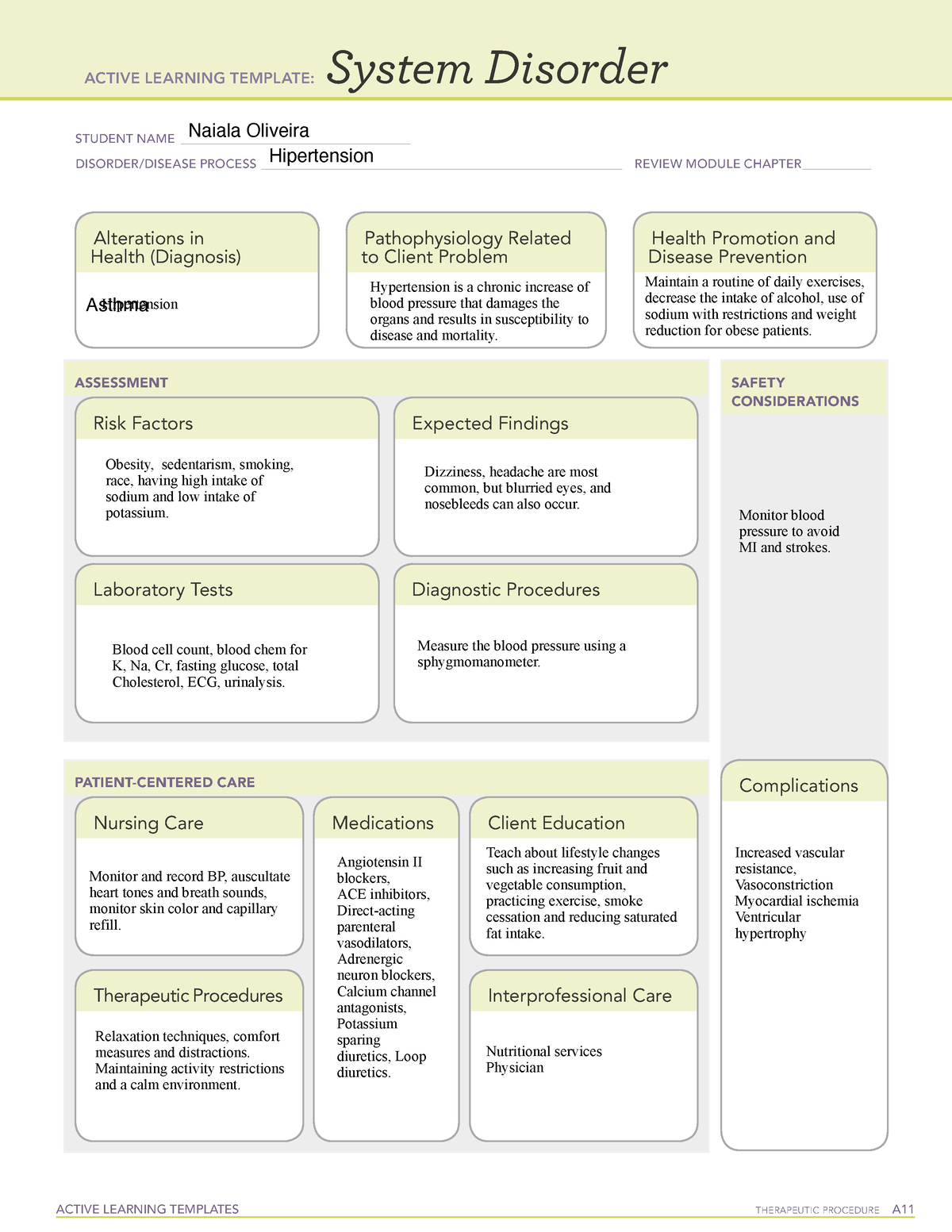
Hyperkalemia System Disorder Template
Mild Low Potassium May Show No Symptoms, While More Severe Low Potassium Symptoms Can.
Potassium Helps Control How Your Muscles, Heart, And Digestive System Work.
Other Causes Include Certain Medications And Some Adrenal.
Hypokalemia Is Serum Potassium Concentration < 3.5 Meq/L (< 3.5 Mmol/L) Caused By A Deficit In Total Body Potassium Stores Or Abnormal Movement Of Potassium Into Cells.
Related Post:
