
Inventory Control Template
Inventory Control Template - There are two primary categories of inventory: As an accounting term, inventory is a current asset and represents the value of goods a company holds for sale or use. In other words, these goods and materials serve. Inventory refers to the items which are to be sold or used to manufacture products for sale. Inventory represents one of the most valuable assets for any business, particularly within manufacturing and supply chain management. Inventory, often called merchandise, refers to goods and materials that a business holds for sale to customers in the near future. This includes forecasting demand, procuring raw materials or. Inventory refers to a business’s currently held supply of raw materials and finished goods. Inventory is the raw materials used to produce goods as well as the goods that are available for sale. Learn about various inventory definitions, types, and examples. Inventory is the raw materials used to produce goods as well as the goods that are available for sale. In other words, these goods and materials serve. Inventory refers to a business’s currently held supply of raw materials and finished goods. It is classified as a current asset on a company's balance sheet. This includes forecasting demand, procuring raw materials or. Essentially, inventory refers to all the. As an accounting term, inventory is a current asset and represents the value of goods a company holds for sale or use. There are two primary categories of inventory: Inventory, often called merchandise, refers to goods and materials that a business holds for sale to customers in the near future. Inventory refers to the items which are to be sold or used to manufacture products for sale. Businesses use inventory to turn a. Learn about various inventory definitions, types, and examples. Inventory refers to a business’s currently held supply of raw materials and finished goods. This includes forecasting demand, procuring raw materials or. As an accounting term, inventory is a current asset and represents the value of goods a company holds for sale or use. There are two primary categories of inventory: Inventory refers to the items which are to be sold or used to manufacture products for sale. Learn about various inventory definitions, types, and examples. Inventory, often called merchandise, refers to goods and materials that a business holds for sale to customers in the near future. While having enough on hand is essential,. Inventory refers to a business’s currently held supply of raw materials and finished goods. Inventory, often called merchandise, refers to goods and materials that a business holds for sale to customers in the near future. It is classified as a current asset on a company's balance sheet. Learn about various inventory definitions, types, and examples. Businesses use inventory to turn. While having enough on hand is essential, excess. This includes forecasting demand, procuring raw materials or. Inventory refers to the items which are to be sold or used to manufacture products for sale. Learn about various inventory definitions, types, and examples. Inventory represents one of the most valuable assets for any business, particularly within manufacturing and supply chain management. Learn about various inventory definitions, types, and examples. As an accounting term, inventory is a current asset and represents the value of goods a company holds for sale or use. Inventory refers to a business’s currently held supply of raw materials and finished goods. Essentially, inventory refers to all the. Inventory is the raw materials used to produce goods as. Inventory is the raw materials used to produce goods as well as the goods that are available for sale. This includes forecasting demand, procuring raw materials or. Inventory refers to a business’s currently held supply of raw materials and finished goods. While having enough on hand is essential, excess. Essentially, inventory refers to all the. While having enough on hand is essential, excess. This includes forecasting demand, procuring raw materials or. As an accounting term, inventory is a current asset and represents the value of goods a company holds for sale or use. In other words, these goods and materials serve. Inventory represents one of the most valuable assets for any business, particularly within manufacturing. There are two primary categories of inventory: Inventory represents one of the most valuable assets for any business, particularly within manufacturing and supply chain management. This includes forecasting demand, procuring raw materials or. It is classified as a current asset on a company's balance sheet. Inventory is the raw materials used to produce goods as well as the goods that. There are two primary categories of inventory: As an accounting term, inventory is a current asset and represents the value of goods a company holds for sale or use. Essentially, inventory refers to all the. While having enough on hand is essential, excess. Inventory is the raw materials used to produce goods as well as the goods that are available. It is classified as a current asset on a company's balance sheet. Inventory refers to the items which are to be sold or used to manufacture products for sale. Learn about various inventory definitions, types, and examples. Essentially, inventory refers to all the. Inventory, often called merchandise, refers to goods and materials that a business holds for sale to customers. While having enough on hand is essential, excess. Inventory is the raw materials used to produce goods as well as the goods that are available for sale. Inventory refers to the items which are to be sold or used to manufacture products for sale. In other words, these goods and materials serve. It is classified as a current asset on a company's balance sheet. Learn about various inventory definitions, types, and examples. Inventory refers to a business’s currently held supply of raw materials and finished goods. Essentially, inventory refers to all the. Inventory, often called merchandise, refers to goods and materials that a business holds for sale to customers in the near future. This includes forecasting demand, procuring raw materials or. As an accounting term, inventory is a current asset and represents the value of goods a company holds for sale or use.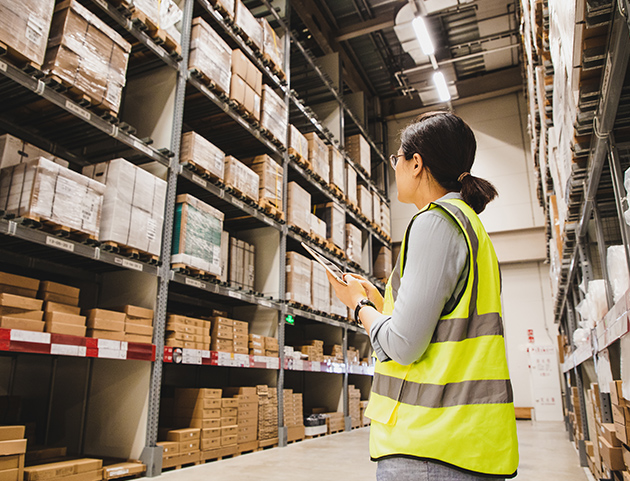
What Is Inventory Management?
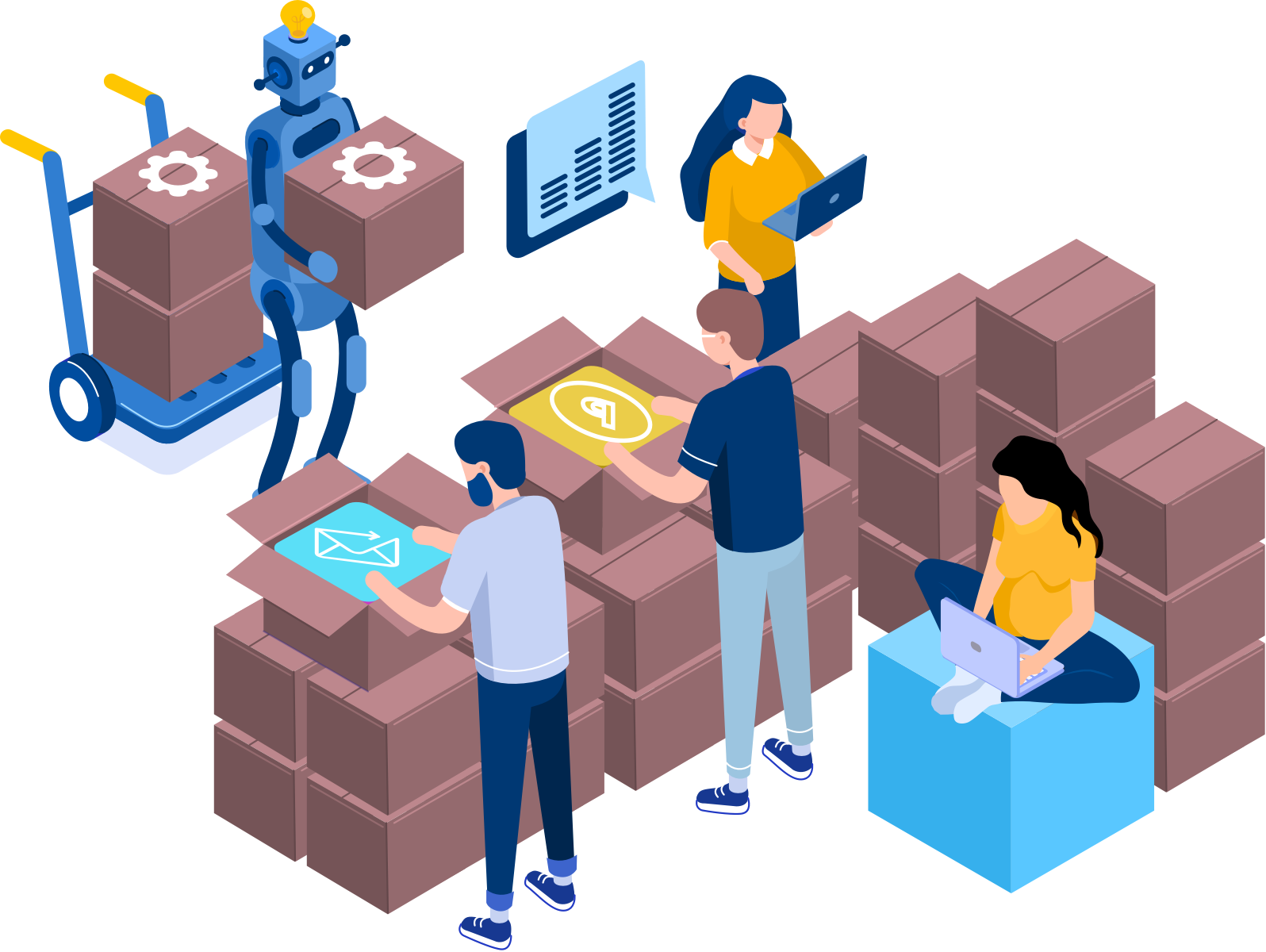
What Are the Basic Requirements for Effective Inventory Management?
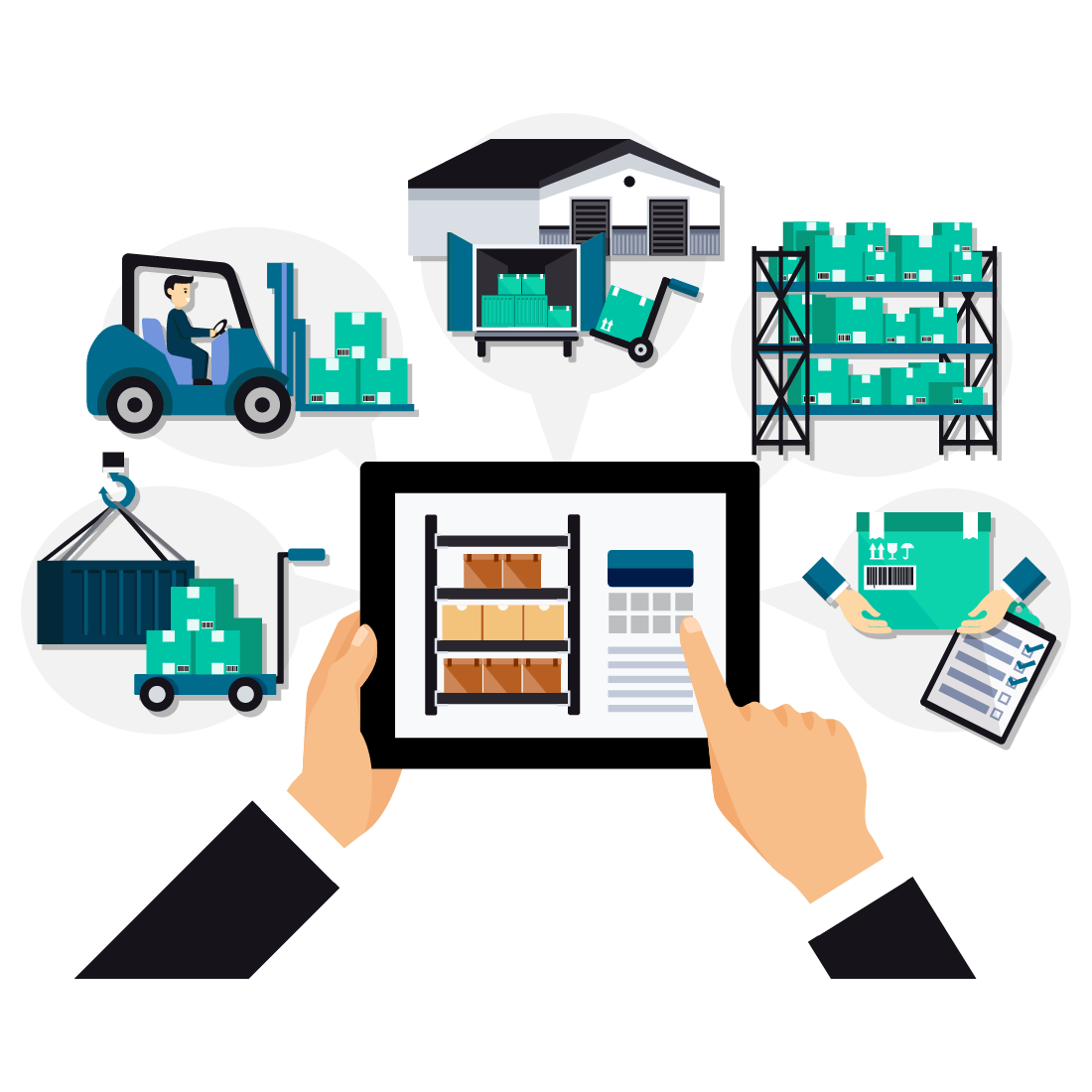
Comprehensive Guide to Effective Inventory Management
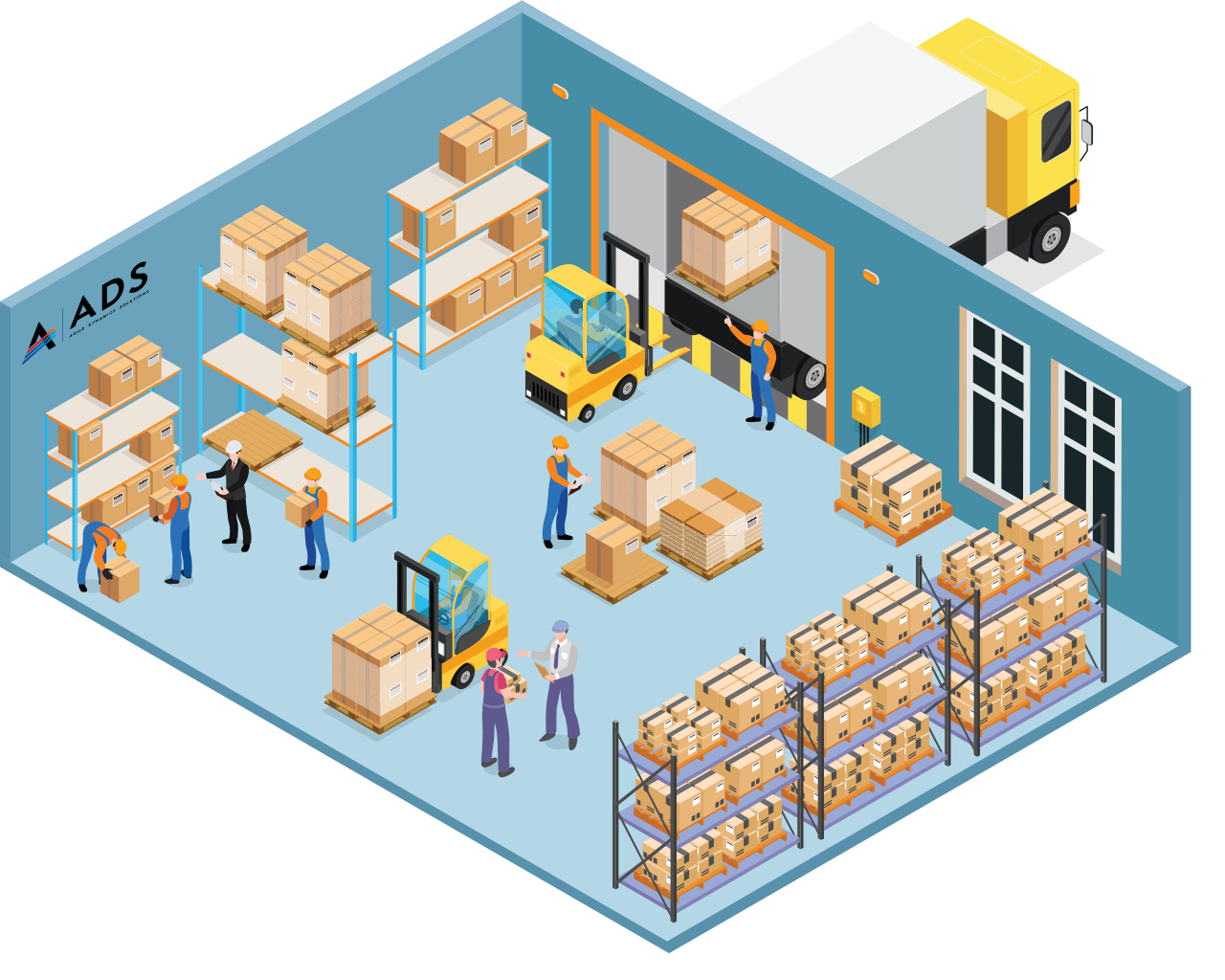
What is Inventory Management 101 Benefits, Techniques, Objectives & More
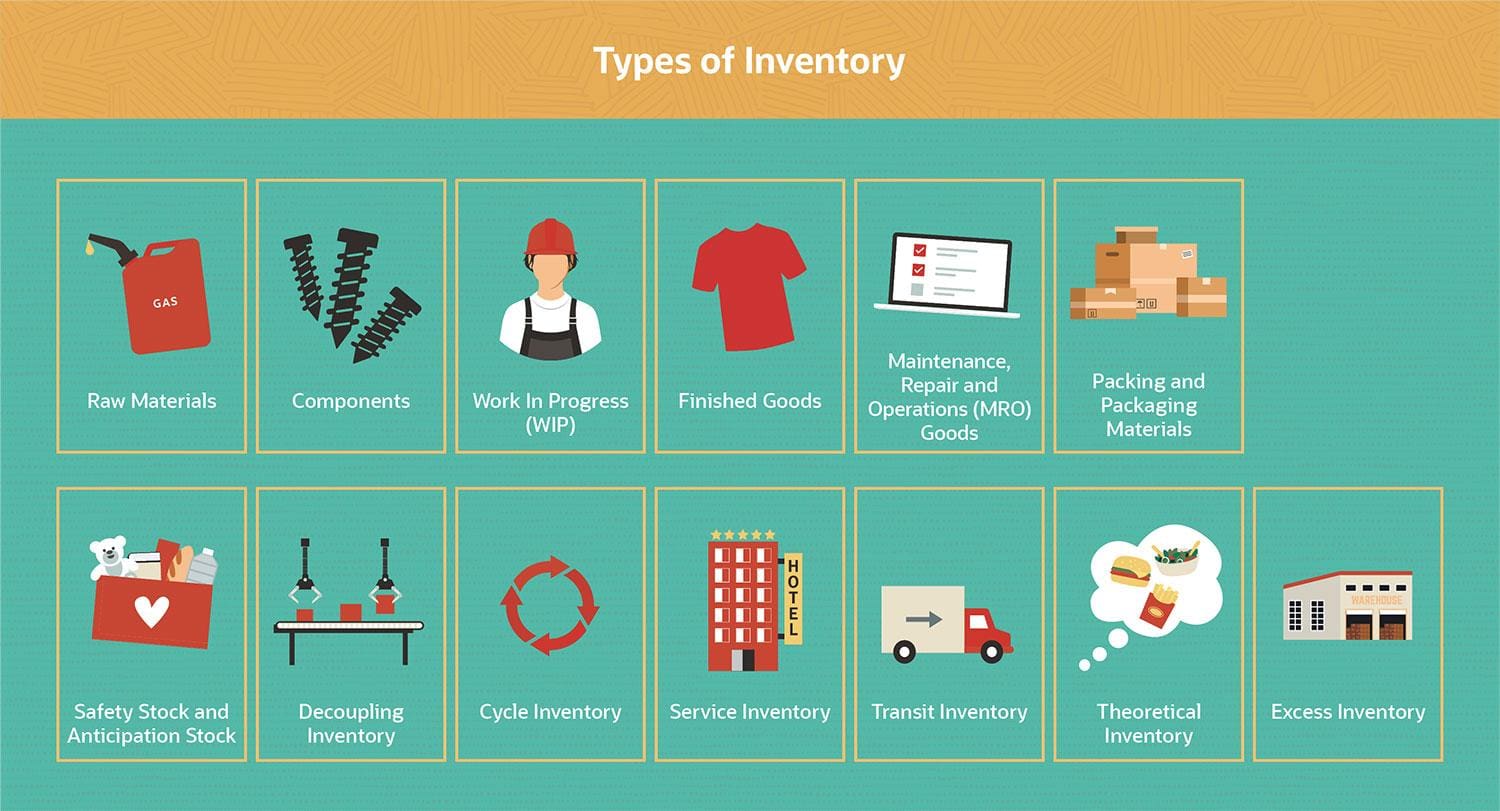
What Is Inventory? Definition, Types, Examples NetSuite, 50 OFF
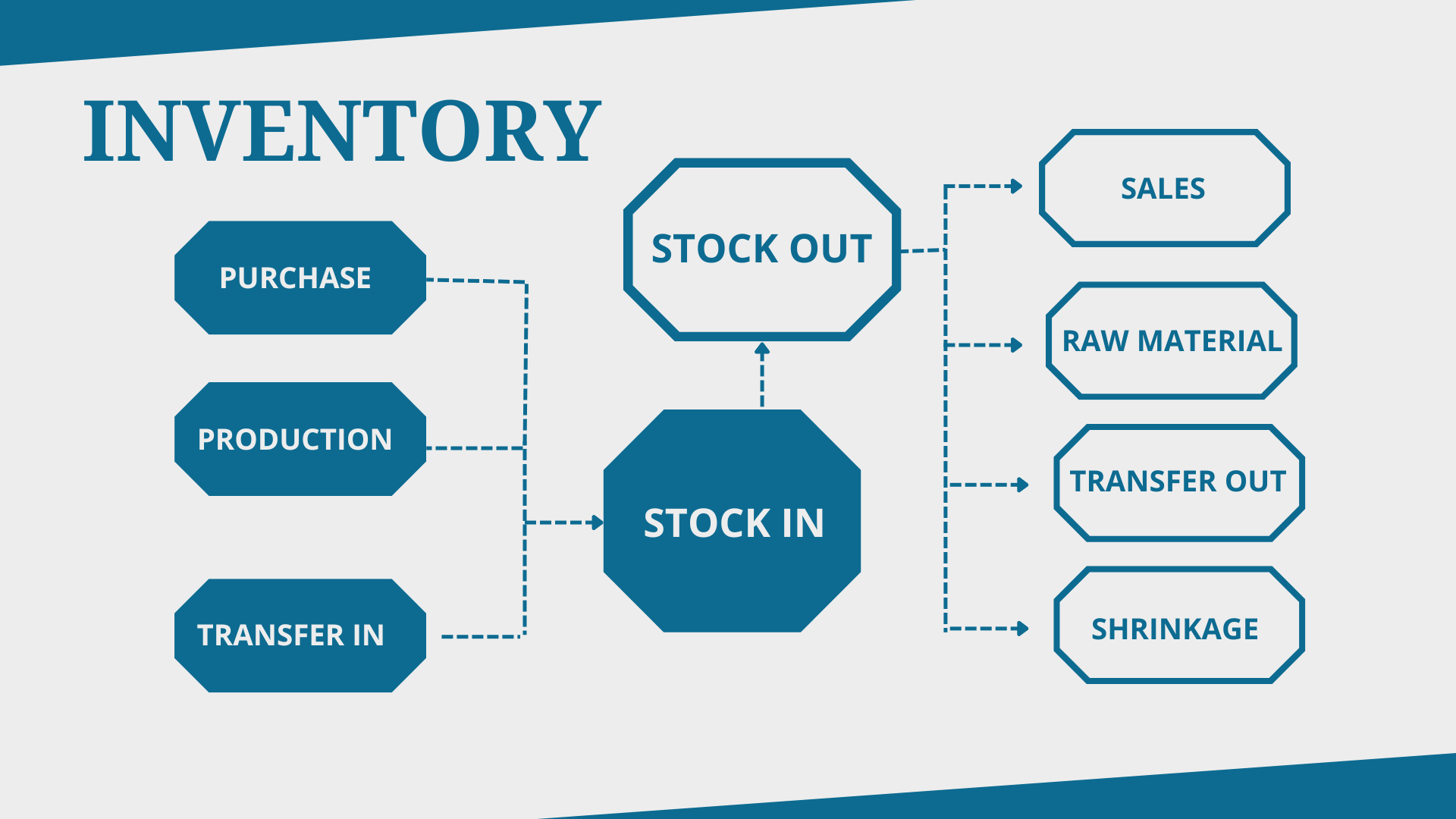
Inventory Management Definition, Importance, Operations, & Best Practices
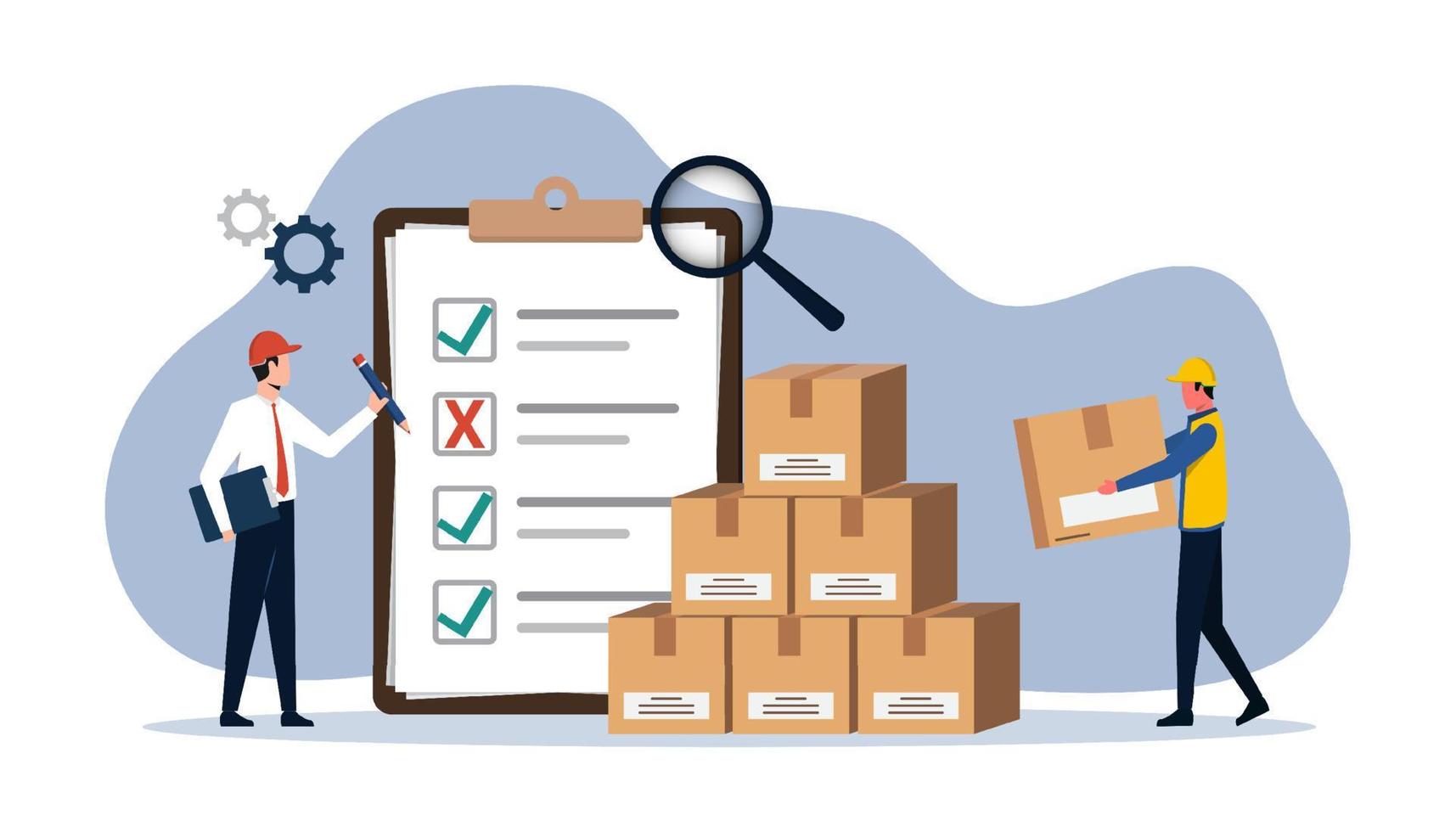
Inventory control system concept, professional manager and worker are
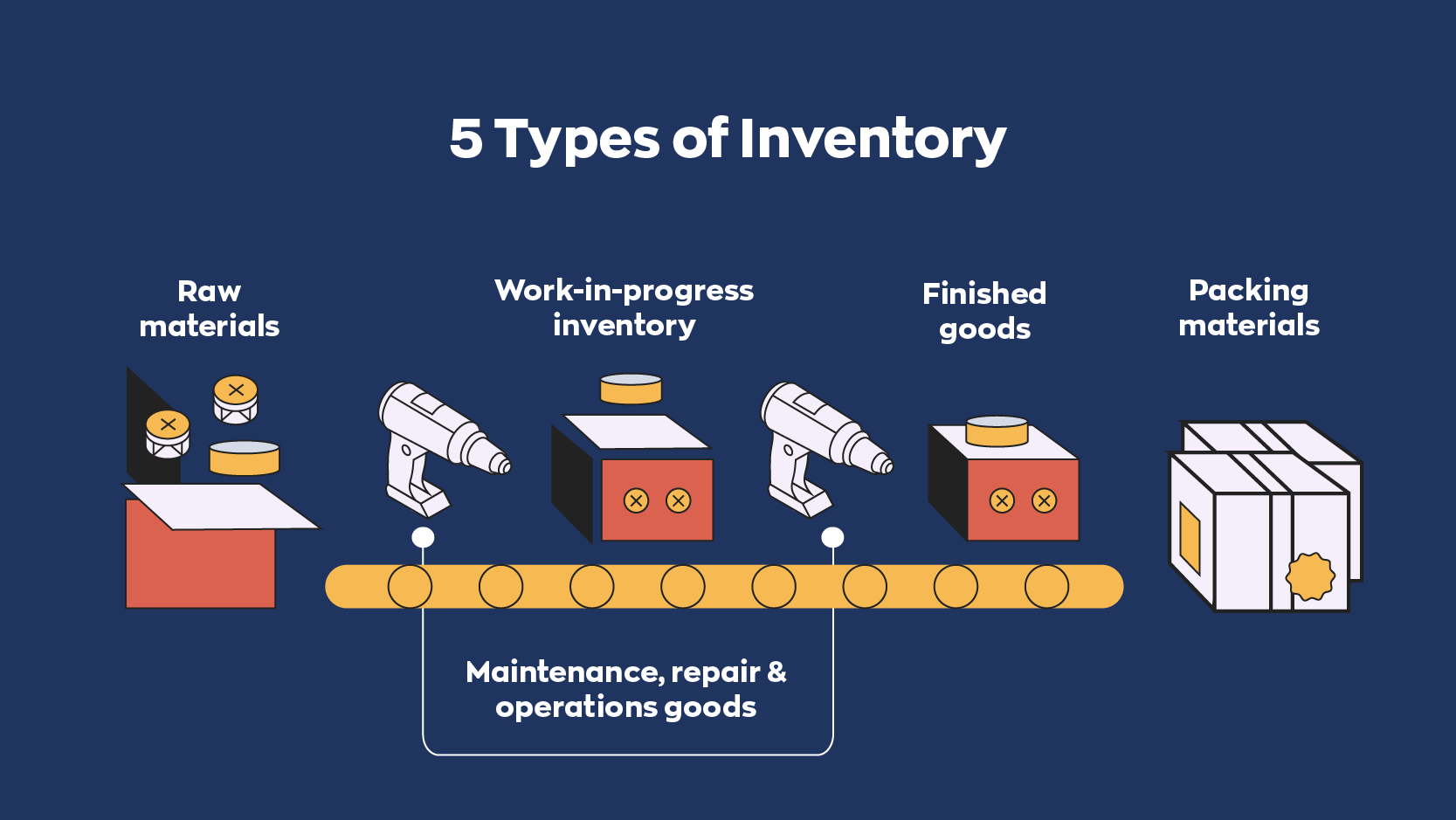
The 5 Fundamental Types of Inventory Everyone Should Know

Inventory Management Tips for Small Businesses
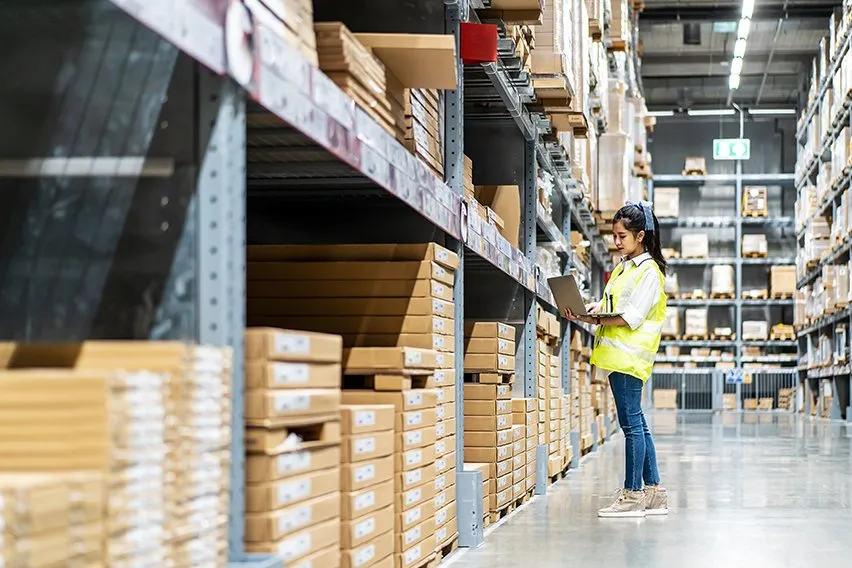
4 Types of Inventory to Know About
Businesses Use Inventory To Turn A.
Inventory Represents One Of The Most Valuable Assets For Any Business, Particularly Within Manufacturing And Supply Chain Management.
There Are Two Primary Categories Of Inventory:
Related Post: