
Langchain Prompt Template
Langchain Prompt Template - Prompt templates help to translate user input and parameters into instructions for a language model. We dive into how langchain prompt templates work and show you ways of iterating and versioning prompts using mirascope and lilypad. Prompt template for a language model. This can be used to guide a model's response, helping it understand the context and. Prompt templates are essential for generating dynamic and flexible prompts that cater to various use. It accepts a set of parameters from the user that can be used to generate a prompt. This tutorial covers how to create and utilize prompt templates using langchain. It accepts a set of parameters from the user that can be used to generate a prompt for a language. In langchain, a prompt template is one where you can define a prompt structure with placeholders and then fill in those placeholders with dynamic content to generate the final. We can use the prompt templates for system and human messages along with prompting techniques such as zero shot, one shot and few shot templates. Prompt template for a language model. This can be used to guide a model's response, helping it understand the context and. Prompt template for a language model. In langchain, a prompt template is a structured way to define prompts that are sent to language models. In langchain, a prompt template is one where you can define a prompt structure with placeholders and then fill in those placeholders with dynamic content to generate the final. Prompt templates allow you to create dynamic and flexible prompts. It accepts a set of parameters from the user that can be used to generate a prompt for a language. This tutorial covers how to create and utilize prompt templates using langchain. A prompt template consists of a string template. We dive into how langchain prompt templates work and show you ways of iterating and versioning prompts using mirascope and lilypad. Prompt templates are essential components of the langchain framework that help structure and reuse prompts for interacting with large language models (llms). This tutorial covers how to create and utilize prompt templates using langchain. A prompt template consists of a string template. We dive into how langchain prompt templates work and show you ways of iterating and versioning prompts using. Prompt templates are essential components of the langchain framework that help structure and reuse prompts for interacting with large language models (llms). We can use the prompt templates for system and human messages along with prompting techniques such as zero shot, one shot and few shot templates. Prompt templates help to translate user input and parameters into instructions for a. Prompt templates are essential for generating dynamic and flexible prompts that cater to various use. Prompt templates allow you to create dynamic and flexible prompts. A prompt template consists of a string template. We can use the prompt templates for system and human messages along with prompting techniques such as zero shot, one shot and few shot templates. This can. We dive into how langchain prompt templates work and show you ways of iterating and versioning prompts using mirascope and lilypad. Prompt template for a language model. Prompt templates help to translate user input and parameters into instructions for a language model. Prompt templates allow you to create dynamic and flexible prompts. Prompt templates are essential for generating dynamic and. This can be used to guide a model's response, helping it understand the context and. In langchain, a prompt template is a structured way to define prompts that are sent to language models. In langchain, a prompt template is one where you can define a prompt structure with placeholders and then fill in those placeholders with dynamic content to generate. A prompt template consists of a string template. We dive into how langchain prompt templates work and show you ways of iterating and versioning prompts using mirascope and lilypad. Typically this is not simply a hardcoded string but rather a combination of a template, some examples, and. Prompt templates are essential components of the langchain framework that help structure and. In langchain, a prompt template is a structured way to define prompts that are sent to language models. This can be used to guide a model's response, helping it understand the context and. It accepts a set of parameters from the user that can be used to generate a prompt for a language. Typically this is not simply a hardcoded. A prompt template consists of a string template. Prompt template for a language model. It accepts a set of parameters from the user that can be used to generate a prompt for a language. This can be used to guide a model's response, helping it understand the context and. This tutorial covers how to create and utilize prompt templates using. A prompt template consists of a string template. In langchain, a prompt template is a structured way to define prompts that are sent to language models. Prompt template for a language model. Typically this is not simply a hardcoded string but rather a combination of a template, some examples, and. We can use the prompt templates for system and human. We can use the prompt templates for system and human messages along with prompting techniques such as zero shot, one shot and few shot templates. This can be used to guide a model's response, helping it understand the context and. Typically this is not simply a hardcoded string but rather a combination of a template, some examples, and. Prompt template. Prompt templates help to translate user input and parameters into instructions for a language model. A prompt template consists of a string template. Typically this is not simply a hardcoded string but rather a combination of a template, some examples, and. Prompt templates allow you to create dynamic and flexible prompts. In langchain, a prompt template is one where you can define a prompt structure with placeholders and then fill in those placeholders with dynamic content to generate the final. We can use the prompt templates for system and human messages along with prompting techniques such as zero shot, one shot and few shot templates. It accepts a set of parameters from the user that can be used to generate a prompt for a language. It accepts a set of parameters from the user that can be used to generate a prompt. Prompt template for a language model. This can be used to guide a model's response, helping it understand the context and. Prompt template for a language model. We dive into how langchain prompt templates work and show you ways of iterating and versioning prompts using mirascope and lilypad. Prompt templates are essential for generating dynamic and flexible prompts that cater to various use.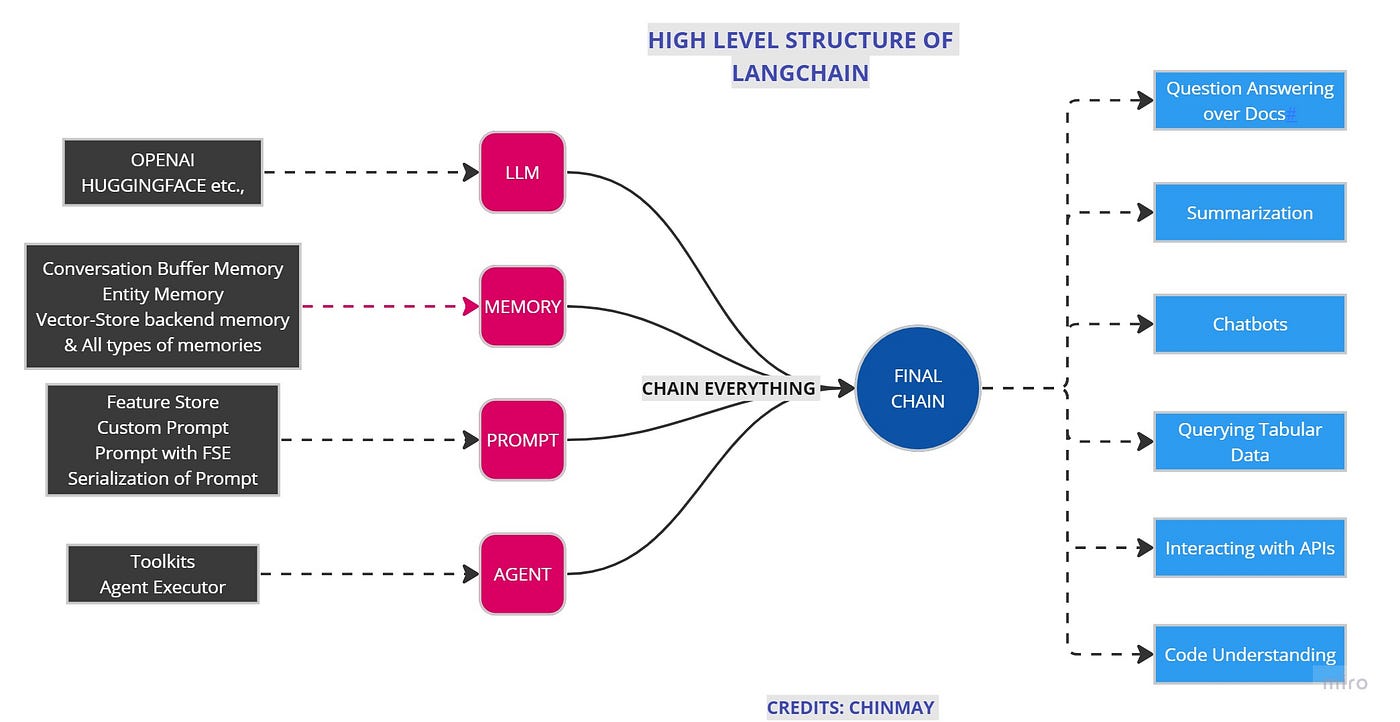
LangChain A Necessary Tool For Working With Large Language Models
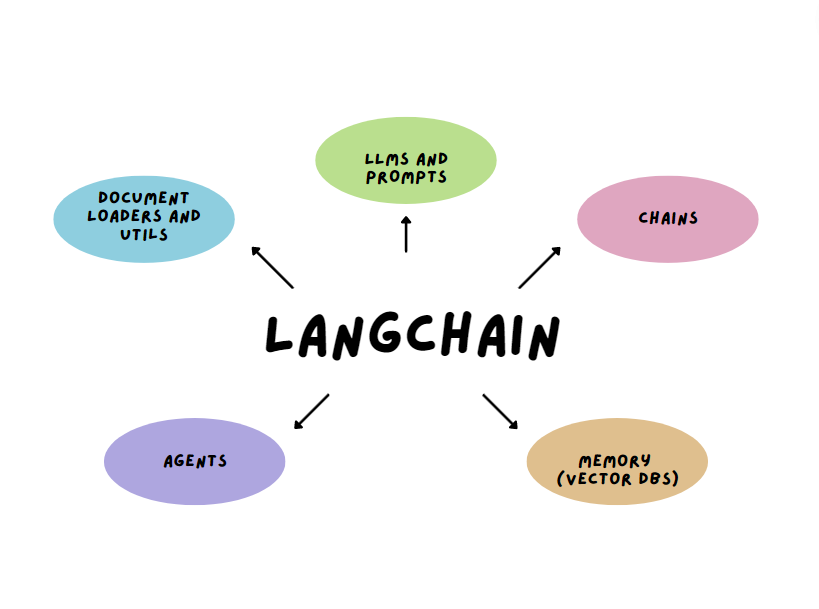
Simple and Effective LangChain Guide to Get Started

LangChain A OneStop Framework Building Applications with LLMs
How to Use LangChain and LLMs An Overview of the Framework and Its

How to Build a Smart Chatbot in 10 mins with LangChain

Understanding LangChain A Framework for LLM Applications

What is LangChain? K21Academy
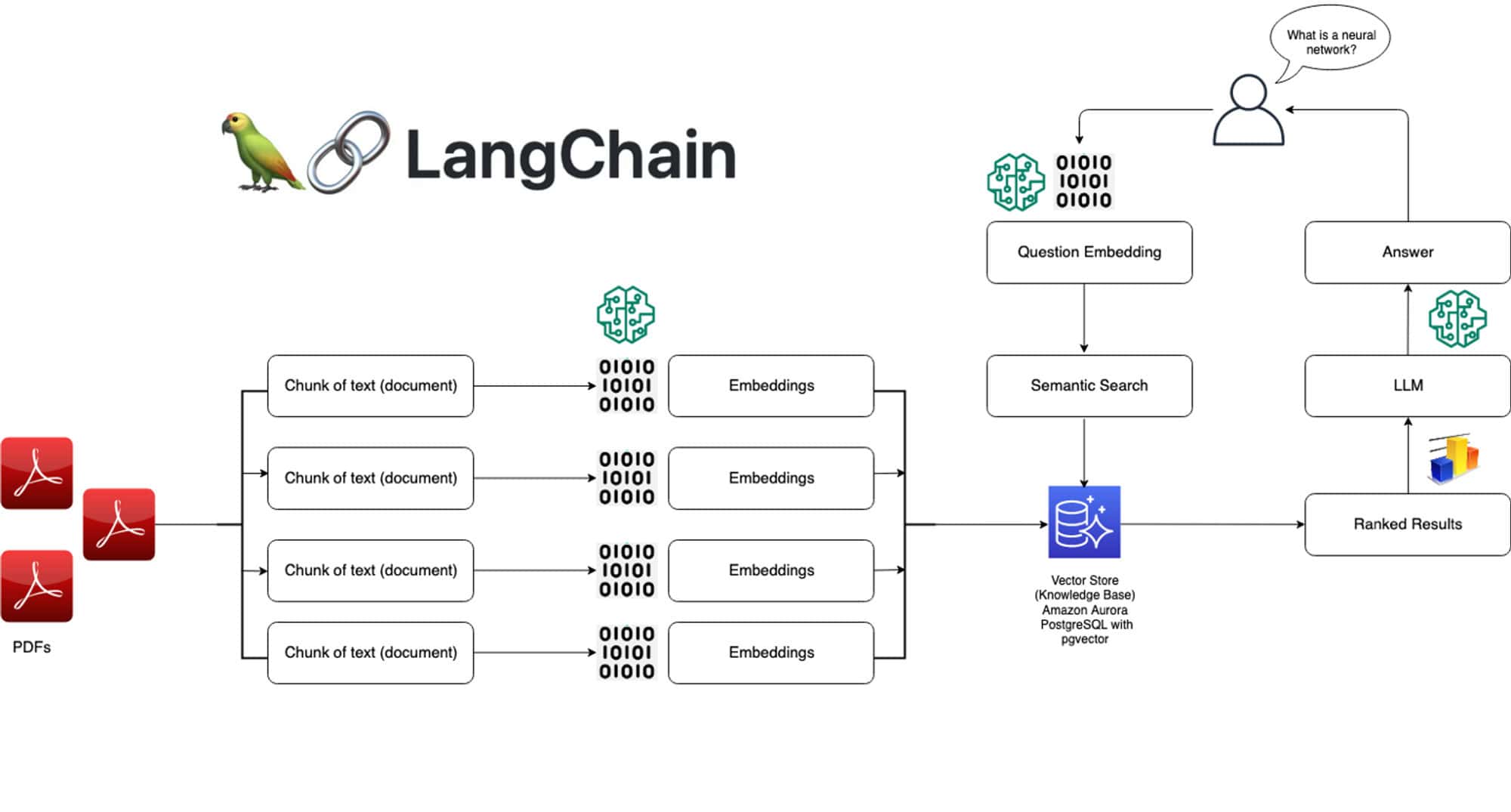
Intro to LangChain Top Enterprise Use Cases + Top Tools & Frameworks
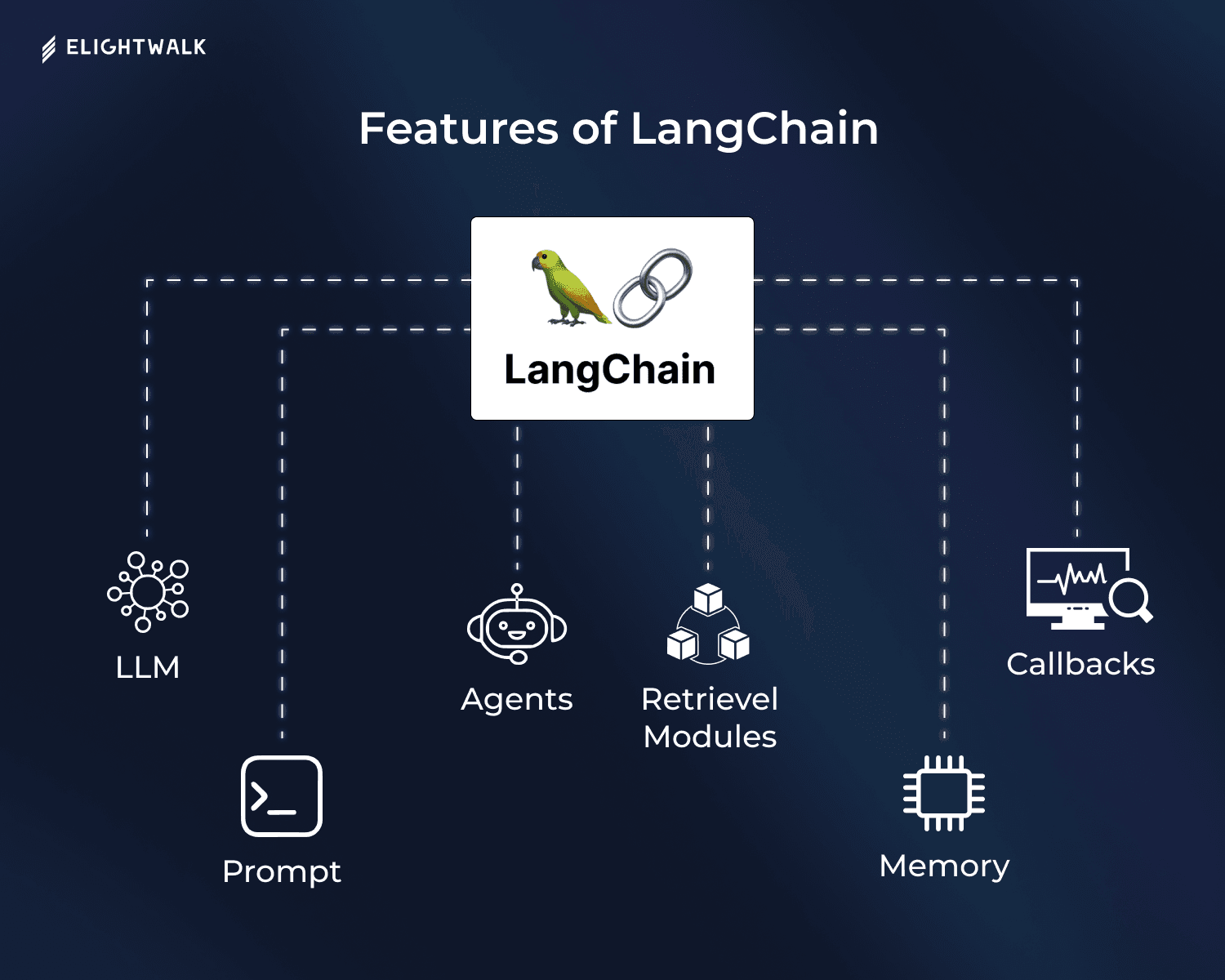
What is Langchain? Why its use for AIlanguage applications?
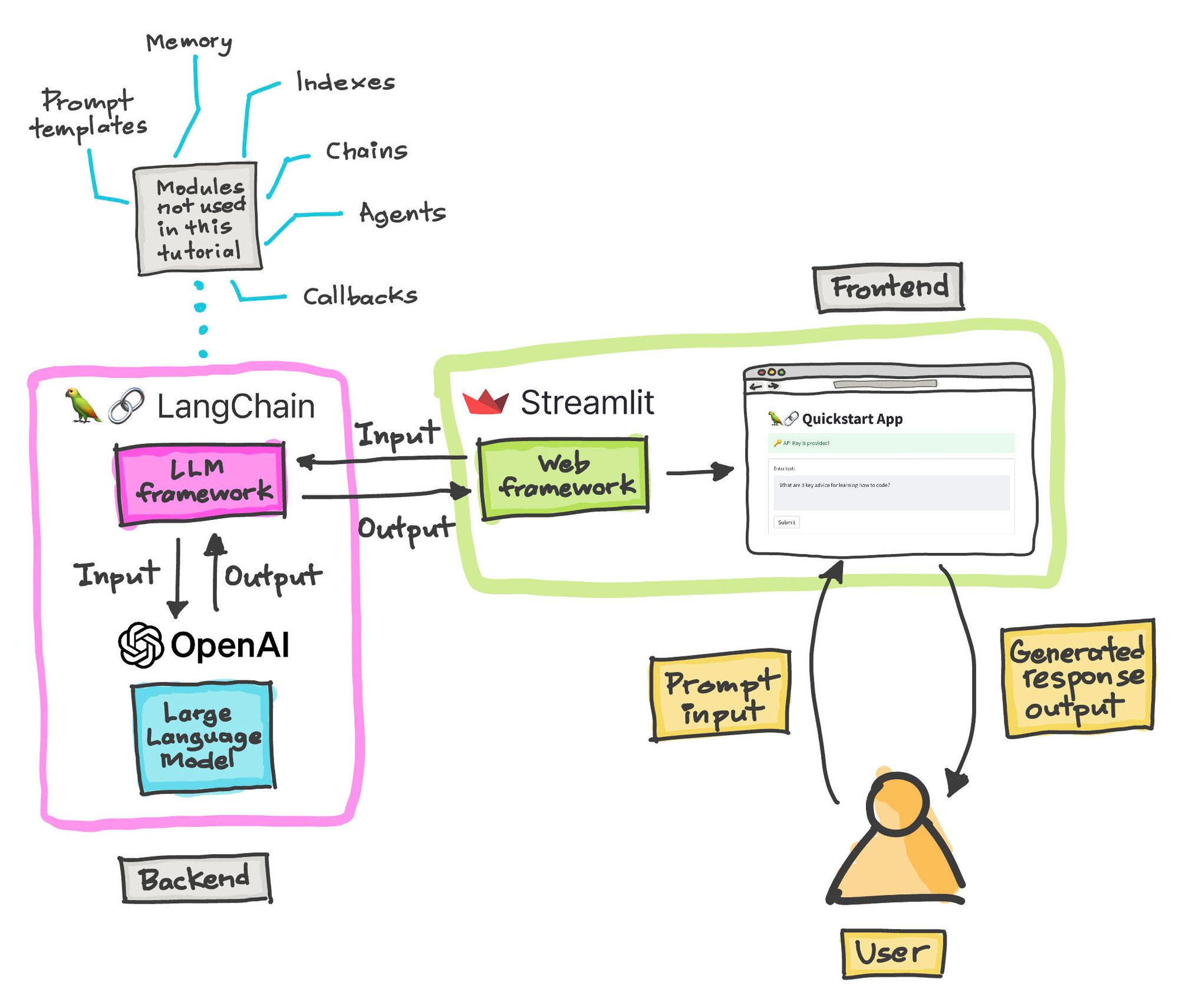
LangChain tutorial 1 Build an LLMpowered app in 18 lines of code
In Langchain, A Prompt Template Is A Structured Way To Define Prompts That Are Sent To Language Models.
A Prompt Template Consists Of A String Template.
Prompt Templates Are Essential Components Of The Langchain Framework That Help Structure And Reuse Prompts For Interacting With Large Language Models (Llms).
This Tutorial Covers How To Create And Utilize Prompt Templates Using Langchain.
Related Post:
