
Pathophysiology Template
Pathophysiology Template - Pathophysiology includes four interrelated topics: Pathophysiology the pathophysiology of routine clumsiness and difficulties with fine motor, gross motor, or speech articulation is variable and nonspecific. Chapter 1 introduction to pathophysiology; The fundamental aim of the domain of pathophysiology is to unravel the altered biological (i.e., physical and. Pathophysiology is the study of the physical and functional changes that occur during a disease process. The functional changes that accompany a particular syndrome or disease. The meaning of pathophysiology is the physiology of abnormal states; Indeed, ever since the middle ages, wise physicians and others concerned with the sick and their care have realized that most human disease may be understood in a real sense as disordered. Etiology, pathogenesis, clinical manifestations, and treatment implications—the framework used throughout this textbook. Pathophysiology is the study of changes in body physiology at molecular, cellular and organ level that results from injury or disease resulting in suffering (mccance and. Pathophysiology the pathophysiology of routine clumsiness and difficulties with fine motor, gross motor, or speech articulation is variable and nonspecific. The functional changes that accompany a particular syndrome or disease. The meaning of pathophysiology is the physiology of abnormal states; Pathophysiology is formally considered as a subdiscipline within physiology. Pathophysiology is the study of the physical and functional changes that occur during a disease process. The fundamental aim of the domain of pathophysiology is to unravel the altered biological (i.e., physical and. Etiology, pathogenesis, clinical manifestations, and treatment implications—the framework used throughout this textbook. Indeed, ever since the middle ages, wise physicians and others concerned with the sick and their care have realized that most human disease may be understood in a real sense as disordered. Chapter 1 introduction to pathophysiology; Cellular responses to stress, injury, and aging Cellular responses to stress, injury, and aging The fundamental aim of the domain of pathophysiology is to unravel the altered biological (i.e., physical and. Toxic insults can result in physical and biochemical alterations that may lead to. Pathophysiology (or physiopathology) is a branch of study, at the intersection of pathology and physiology, concerning disordered physiological processes that cause, result from,. The functional changes that accompany a particular syndrome or disease. Etiology, pathogenesis, clinical manifestations, and treatment implications—the framework used throughout this textbook. Pathophysiology is the study of changes in body physiology at molecular, cellular and organ level that results from injury or disease resulting in suffering (mccance and. The study of changes in the way the body works that result. Toxic insults can result in physical and biochemical alterations that may lead to. The meaning of pathophysiology is the physiology of abnormal states; The fundamental aim of the domain of pathophysiology is to unravel the altered biological (i.e., physical and. Etiology, pathogenesis, clinical manifestations, and treatment implications—the framework used throughout this textbook. Cellular responses to stress, injury, and aging Cellular responses to stress, injury, and aging Indeed, ever since the middle ages, wise physicians and others concerned with the sick and their care have realized that most human disease may be understood in a real sense as disordered. Pathophysiology the pathophysiology of routine clumsiness and difficulties with fine motor, gross motor, or speech articulation is variable and nonspecific. Chapter. Pathophysiology (or physiopathology) is a branch of study, at the intersection of pathology and physiology, concerning disordered physiological processes that cause, result from, or are. Cellular responses to stress, injury, and aging Toxic insults can result in physical and biochemical alterations that may lead to. The functional changes that accompany a particular syndrome or disease. The meaning of pathophysiology is. The meaning of pathophysiology is the physiology of abnormal states; The fundamental aim of the domain of pathophysiology is to unravel the altered biological (i.e., physical and. Cellular responses to stress, injury, and aging Pathophysiology is formally considered as a subdiscipline within physiology. The functional changes that accompany a particular syndrome or disease. Cellular responses to stress, injury, and aging Toxic insults can result in physical and biochemical alterations that may lead to. Pathophysiology includes four interrelated topics: Etiology, pathogenesis, clinical manifestations, and treatment implications—the framework used throughout this textbook. The functional changes that accompany a particular syndrome or disease. Pathophysiology is formally considered as a subdiscipline within physiology. Chapter 1 introduction to pathophysiology; The study of changes in the way the body works that result from disease 2. Pathophysiology is the study of the physical and functional changes that occur during a disease process. Toxic insults can result in physical and biochemical alterations that may lead to. Pathophysiology the pathophysiology of routine clumsiness and difficulties with fine motor, gross motor, or speech articulation is variable and nonspecific. Pathophysiology (or physiopathology) is a branch of study, at the intersection of pathology and physiology, concerning disordered physiological processes that cause, result from, or are. The study of changes in the way the body works that result from disease 2.. Pathophysiology the pathophysiology of routine clumsiness and difficulties with fine motor, gross motor, or speech articulation is variable and nonspecific. Chapter 1 introduction to pathophysiology; Pathophysiology includes four interrelated topics: The functional changes that accompany a particular syndrome or disease. Pathophysiology (or physiopathology) is a branch of study, at the intersection of pathology and physiology, concerning disordered physiological processes that. Pathophysiology (or physiopathology) is a branch of study, at the intersection of pathology and physiology, concerning disordered physiological processes that cause, result from, or are. The fundamental aim of the domain of pathophysiology is to unravel the altered biological (i.e., physical and. The study of changes in the way the body works that result from disease 2. Pathophysiology includes four interrelated topics: Chapter 1 introduction to pathophysiology; Toxic insults can result in physical and biochemical alterations that may lead to. Cellular responses to stress, injury, and aging Pathophysiology the pathophysiology of routine clumsiness and difficulties with fine motor, gross motor, or speech articulation is variable and nonspecific. The meaning of pathophysiology is the physiology of abnormal states; Etiology, pathogenesis, clinical manifestations, and treatment implications—the framework used throughout this textbook. Pathophysiology is the study of changes in body physiology at molecular, cellular and organ level that results from injury or disease resulting in suffering (mccance and. Pathophysiology is formally considered as a subdiscipline within physiology.
Cardiovascular Disease in PostAcute COVID19 Syndrome A Comprehensive

What is Etiology DannyhasStewart

New Concepts on the Pathophysiology of Acute Coronary Syndrome
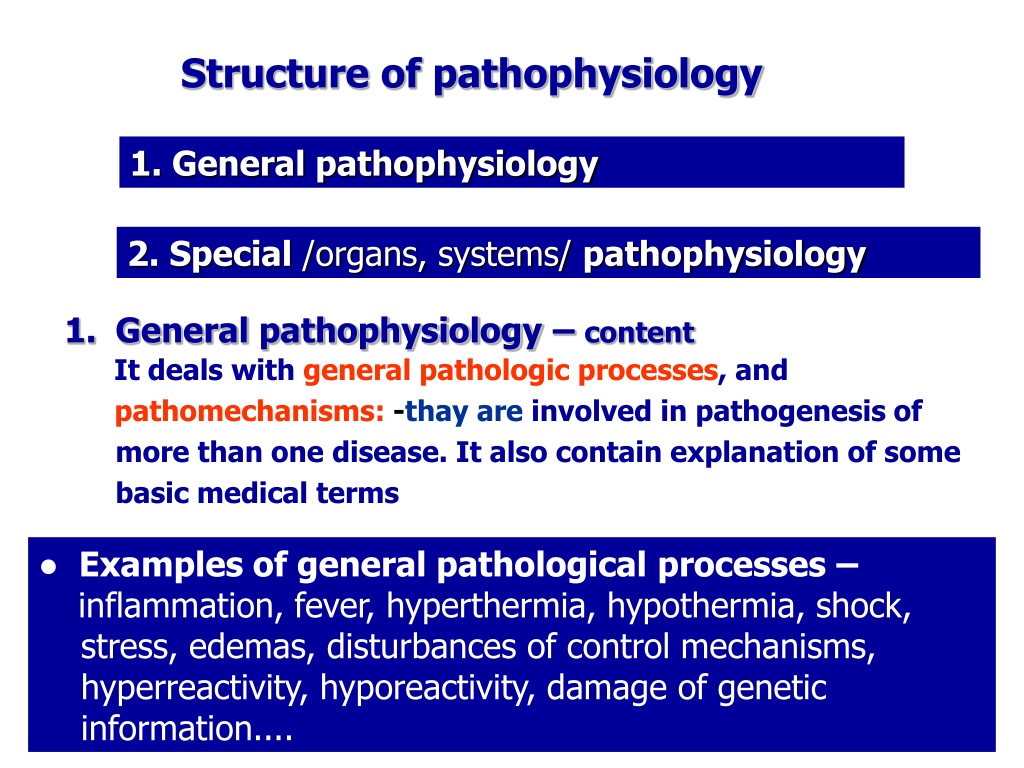
PPT INTRODUCTION TO STUDY OF PATHOPHYSIOLOGY PowerPoint Presentation
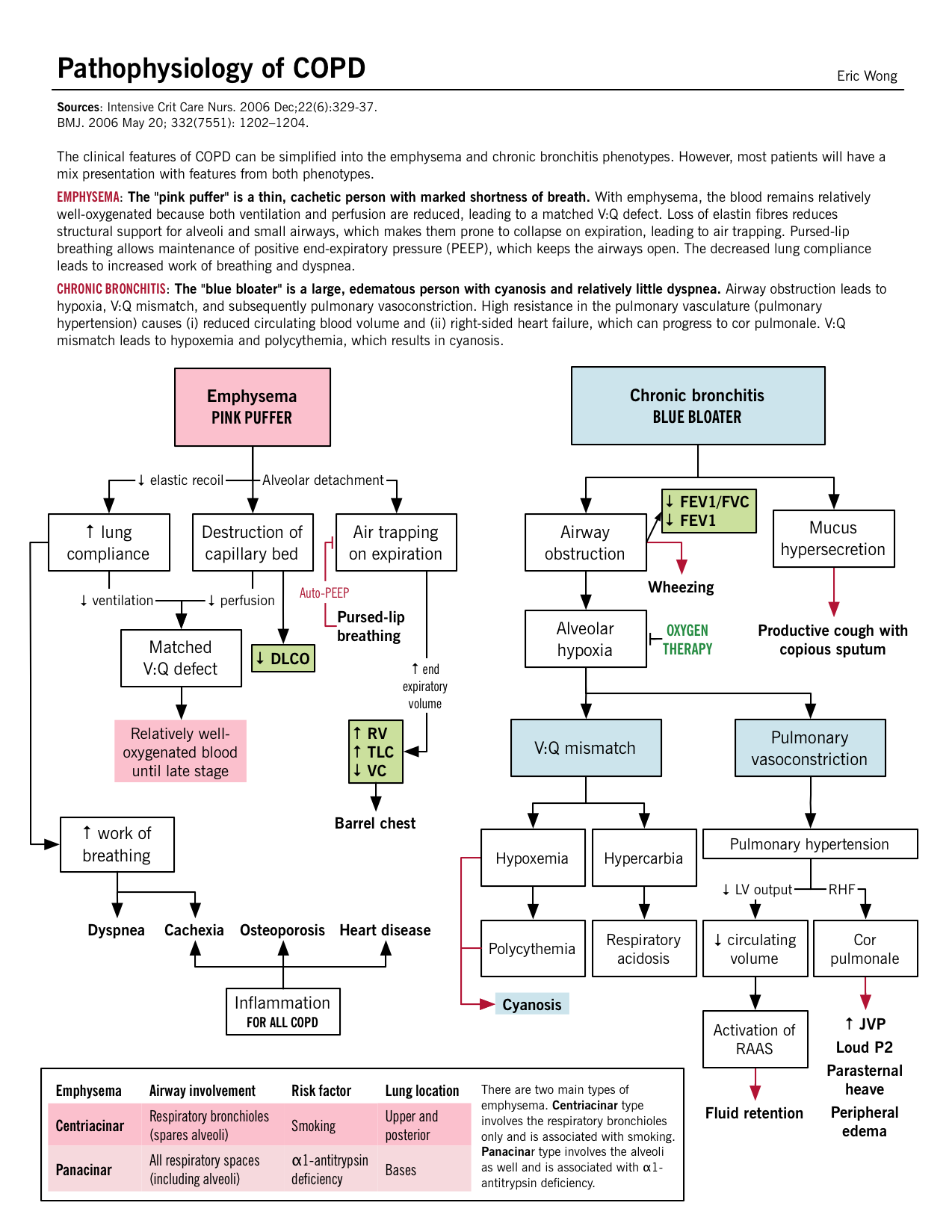
Chronic obstructive pulmonary disease (COPD) McMaster Pathophysiology
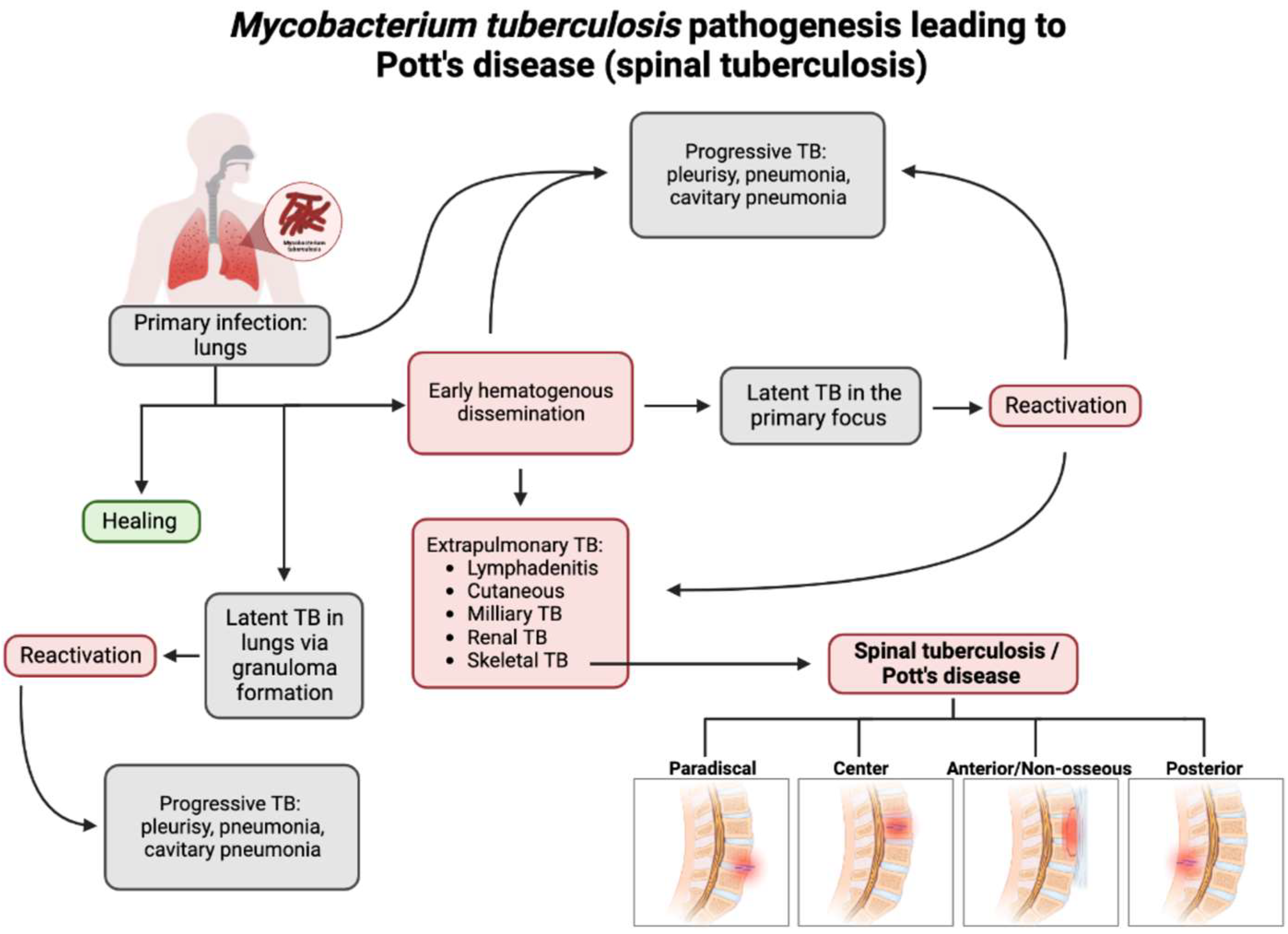
Pathogenesis and Clinical Presentation of Pott’s Disease Encyclopedia
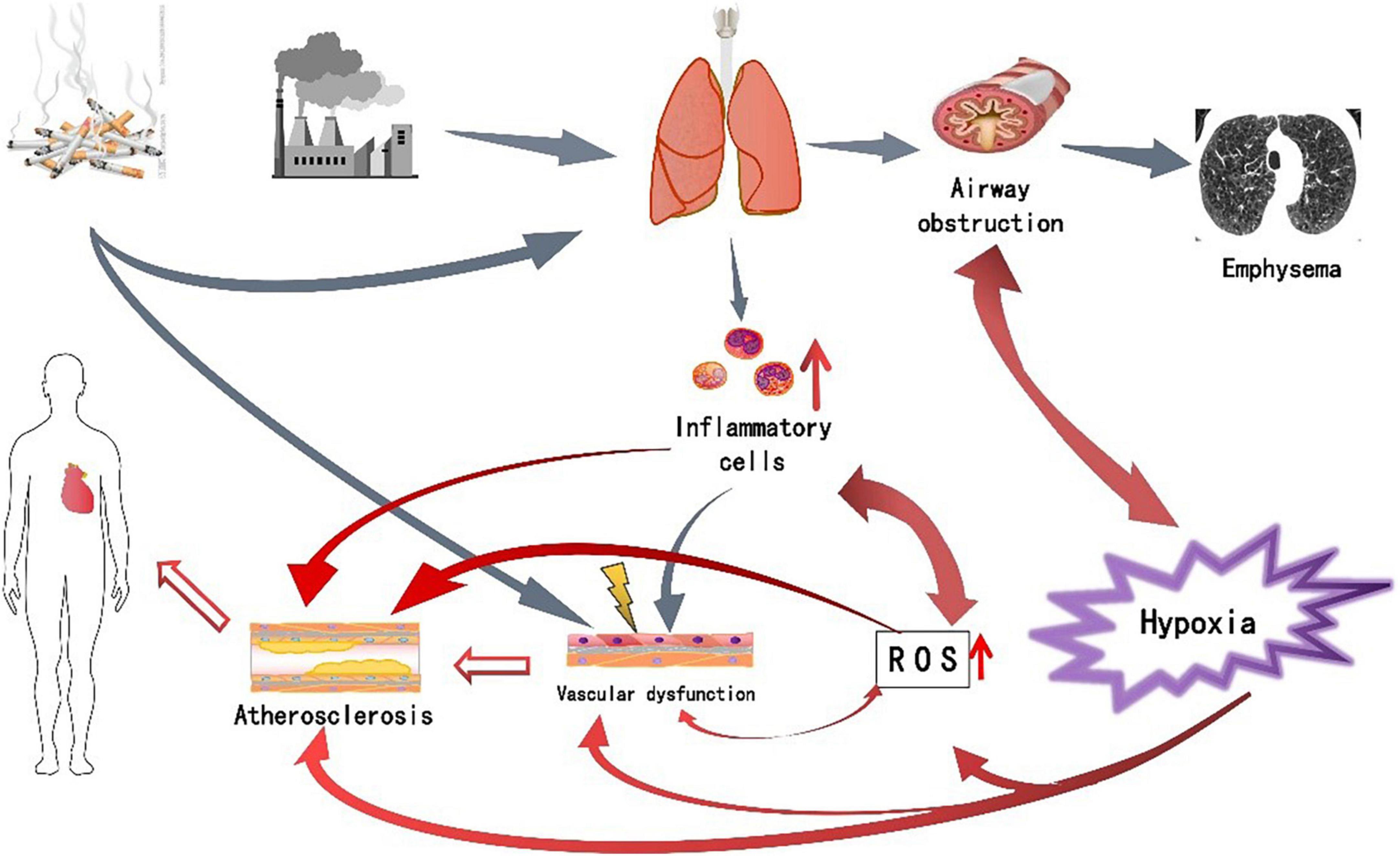
Underlying Disease Anisocoria. Causes, symptoms, treatment Anisocoria

Pathophysiology of polycystic ovary syndrome revisited Current
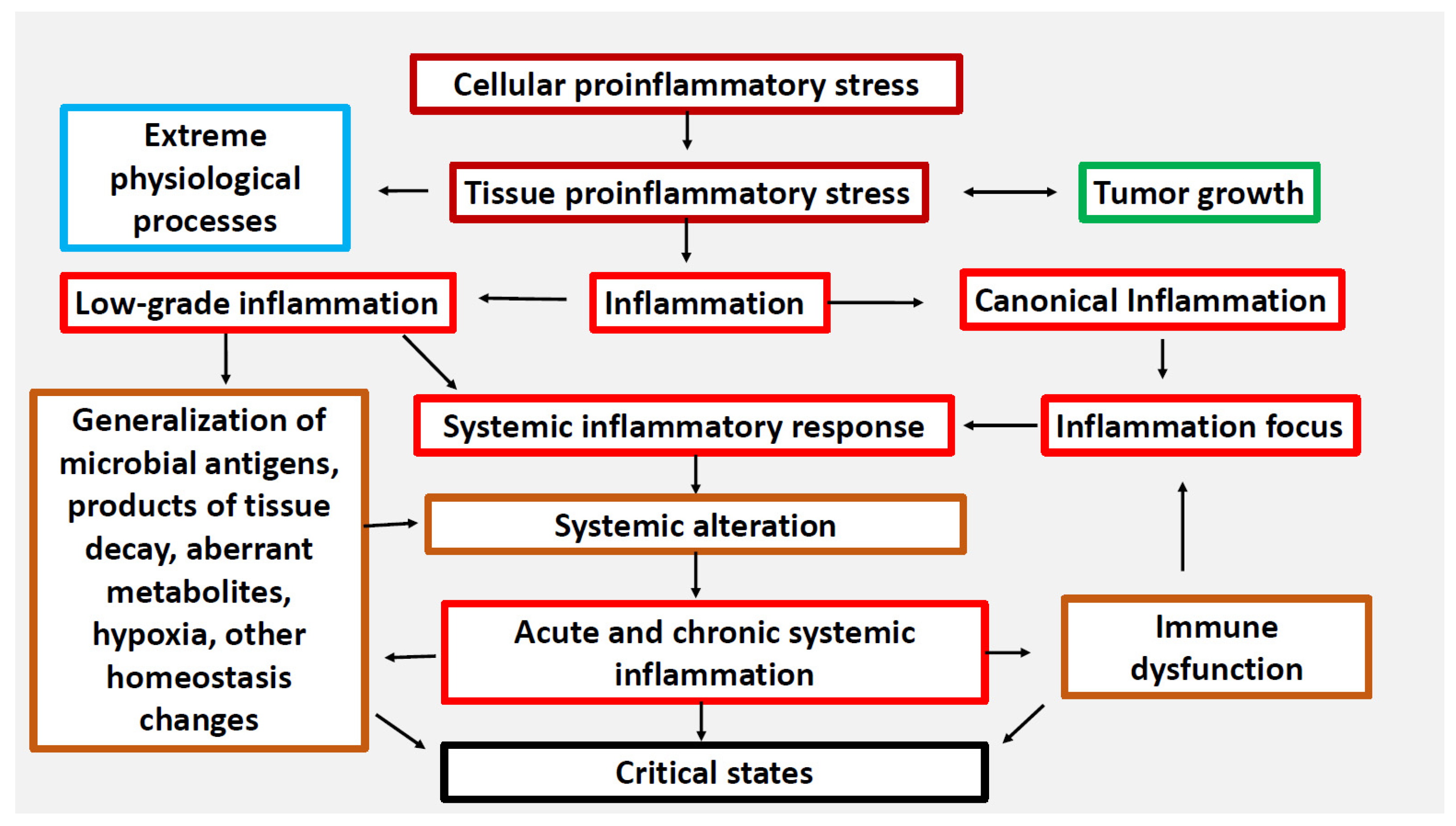
IJMS Free FullText Acute and Chronic Systemic Inflammation
![[DIAGRAM] Copd Pathophysiology Diagram](http://www.bmj.com/content/bmj/332/7551/1202/F2.large.jpg)
[DIAGRAM] Copd Pathophysiology Diagram
Pathophysiology Is The Study Of The Physical And Functional Changes That Occur During A Disease Process.
The Functional Changes That Accompany A Particular Syndrome Or Disease.
Indeed, Ever Since The Middle Ages, Wise Physicians And Others Concerned With The Sick And Their Care Have Realized That Most Human Disease May Be Understood In A Real Sense As Disordered.
Related Post: