
Rangoli Templates
Rangoli Templates - Rangoli, one of the most beautiful and most pleasing art forms of india, is comprised of two words, 'rang' meaning 'color' and 'aavalli' meaning colored creepers' or 'row of colors'. Discover what rangoli is, its cultural significance, and how this vibrant indian floor art is created. History of rangoli, importance of rangoli and its scientific reason finds its. Learn about materials, designs, and its importance in festivals. They can be figurative, geometric, or. Rangoli is an ancient hindu art form from india. Rangoli is an art form that originates from the indian subcontinent, in which patterns are created on the floor or a tabletop using materials such as powdered limestone, red ochre, dry rice. Rangoli is a south asian folk art consisting of floor drawings that women design for festivals and, in some regions, each morning at their front doors. The curved patterns that join the dots. Every year around this time, more than a billion people worldwide celebrate diwali, the festival of lights, with warm family meals, bursting fireworks, glowing lamps and an ornate. The curved patterns that join the dots. Derived from the sanskrit word ‘rangavalli’, it means rows of colours, and is drawn in the homes, courtyards and sometime even on walls, to. Deeply ritualistic and rooted in cultural and spiritual symbolism, the traditional indian art of rangoli has decorated diwali celebrations for centuries with beautiful and bright. Rangoli is a south asian folk art consisting of floor drawings that women design for festivals and, in some regions, each morning at their front doors. Discover what rangoli is, its cultural significance, and how this vibrant indian floor art is created. Historically created on floors inside and outside of homes, rangoli can. History of rangoli, importance of rangoli and its scientific reason finds its. Rangoli, one of the most beautiful and most pleasing art forms of india, is comprised of two words, 'rang' meaning 'color' and 'aavalli' meaning colored creepers' or 'row of colors'. Rangoli is an ancient hindu art form from india. Rangoli is an art form that originates from the indian subcontinent, in which patterns are created on the floor or a tabletop using materials such as powdered limestone, red ochre, dry rice. History of rangoli, importance of rangoli and its scientific reason finds its. Rangoli is an art form that is prominently known for its cultural and historic significance in india. They can be figurative, geometric, or. Learn about materials, designs, and its importance in festivals. Deeply ritualistic and rooted in cultural and spiritual symbolism, the traditional indian art of rangoli has. The curved patterns that join the dots. Rangoli is an art form that originates from the indian subcontinent, in which patterns are created on the floor or a tabletop using materials such as powdered limestone, red ochre, dry rice. History of rangoli, importance of rangoli and its scientific reason finds its. Rangoli, one of the most beautiful and most pleasing. Rangoli is an art form that originates from the indian subcontinent, in which patterns are created on the floor or a tabletop using materials such as powdered limestone, red ochre, dry rice. Rangoli is an ancient hindu art form from india. History of rangoli, importance of rangoli and its scientific reason finds its. Learn about materials, designs, and its importance. Rangoli is an ancient hindu art form from india. Rangoli is an art form that is prominently known for its cultural and historic significance in india. Rangoli is a south asian folk art consisting of floor drawings that women design for festivals and, in some regions, each morning at their front doors. Derived from the sanskrit word ‘rangavalli’, it means. Discover what rangoli is, its cultural significance, and how this vibrant indian floor art is created. Derived from the sanskrit word ‘rangavalli’, it means rows of colours, and is drawn in the homes, courtyards and sometime even on walls, to. Rangoli is a south asian folk art consisting of floor drawings that women design for festivals and, in some regions,. History of rangoli, importance of rangoli and its scientific reason finds its. Rangoli is an art form that originates from the indian subcontinent, in which patterns are created on the floor or a tabletop using materials such as powdered limestone, red ochre, dry rice. The curved patterns that join the dots. Discover what rangoli is, its cultural significance, and how. Derived from the sanskrit word ‘rangavalli’, it means rows of colours, and is drawn in the homes, courtyards and sometime even on walls, to. Rangoli is a south asian folk art consisting of floor drawings that women design for festivals and, in some regions, each morning at their front doors. Discover what rangoli is, its cultural significance, and how this. Historically created on floors inside and outside of homes, rangoli can. Rangoli is an ancient hindu art form from india. History of rangoli, importance of rangoli and its scientific reason finds its. Rangoli is an art form that originates from the indian subcontinent, in which patterns are created on the floor or a tabletop using materials such as powdered limestone,. Rangoli is an art form that originates from the indian subcontinent, in which patterns are created on the floor or a tabletop using materials such as powdered limestone, red ochre, dry rice. Historically created on floors inside and outside of homes, rangoli can. Derived from the sanskrit word ‘rangavalli’, it means rows of colours, and is drawn in the homes,. The curved patterns that join the dots. Rangoli is an art form that originates from the indian subcontinent, in which patterns are created on the floor or a tabletop using materials such as powdered limestone, red ochre, dry rice. Rangoli is a south asian folk art consisting of floor drawings that women design for festivals and, in some regions, each. History of rangoli, importance of rangoli and its scientific reason finds its. Rangoli is a south asian folk art consisting of floor drawings that women design for festivals and, in some regions, each morning at their front doors. They can be figurative, geometric, or. The curved patterns that join the dots. Learn about materials, designs, and its importance in festivals. Historically created on floors inside and outside of homes, rangoli can. Deeply ritualistic and rooted in cultural and spiritual symbolism, the traditional indian art of rangoli has decorated diwali celebrations for centuries with beautiful and bright. Every year around this time, more than a billion people worldwide celebrate diwali, the festival of lights, with warm family meals, bursting fireworks, glowing lamps and an ornate. Rangoli is an art form that is prominently known for its cultural and historic significance in india. Derived from the sanskrit word ‘rangavalli’, it means rows of colours, and is drawn in the homes, courtyards and sometime even on walls, to. Rangoli is an art form that originates from the indian subcontinent, in which patterns are created on the floor or a tabletop using materials such as powdered limestone, red ochre, dry rice.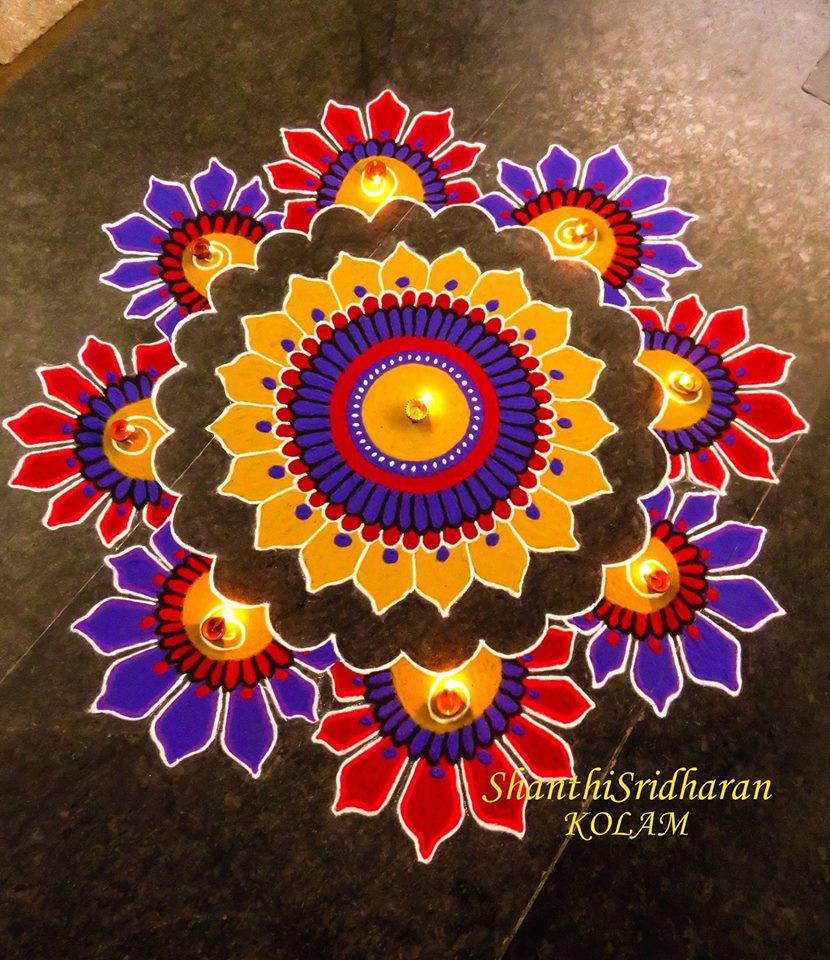
Collection of Amazing Full 4K Rangoli Designs Images Over 999

Best Simple, New, Latest, Beautiful Rangoli For Diwali 2024
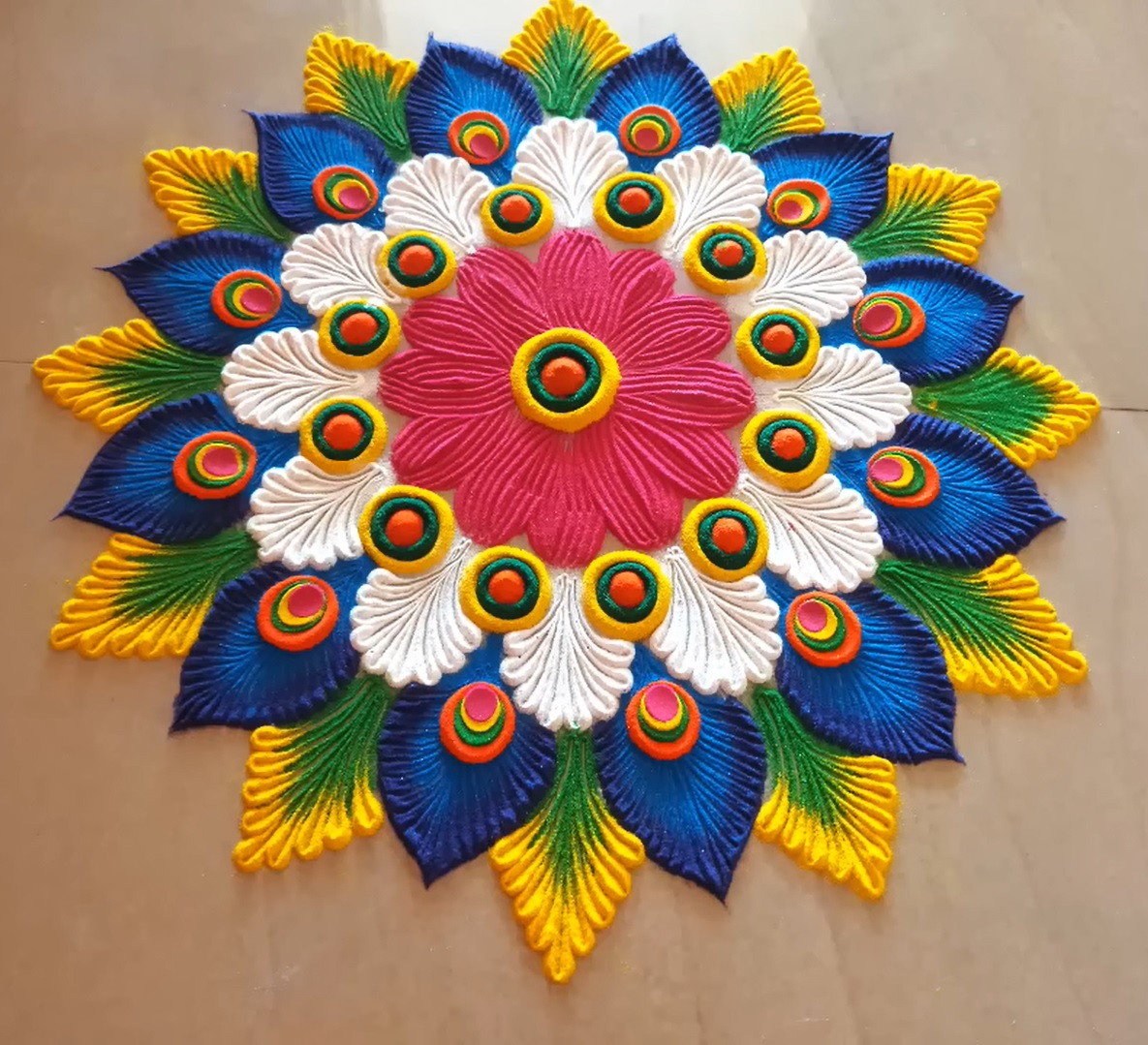
Rangoli Designs For Competition Of Diwali

Simple rangoli designs Rangoli designs for diwali Gulabi fashion
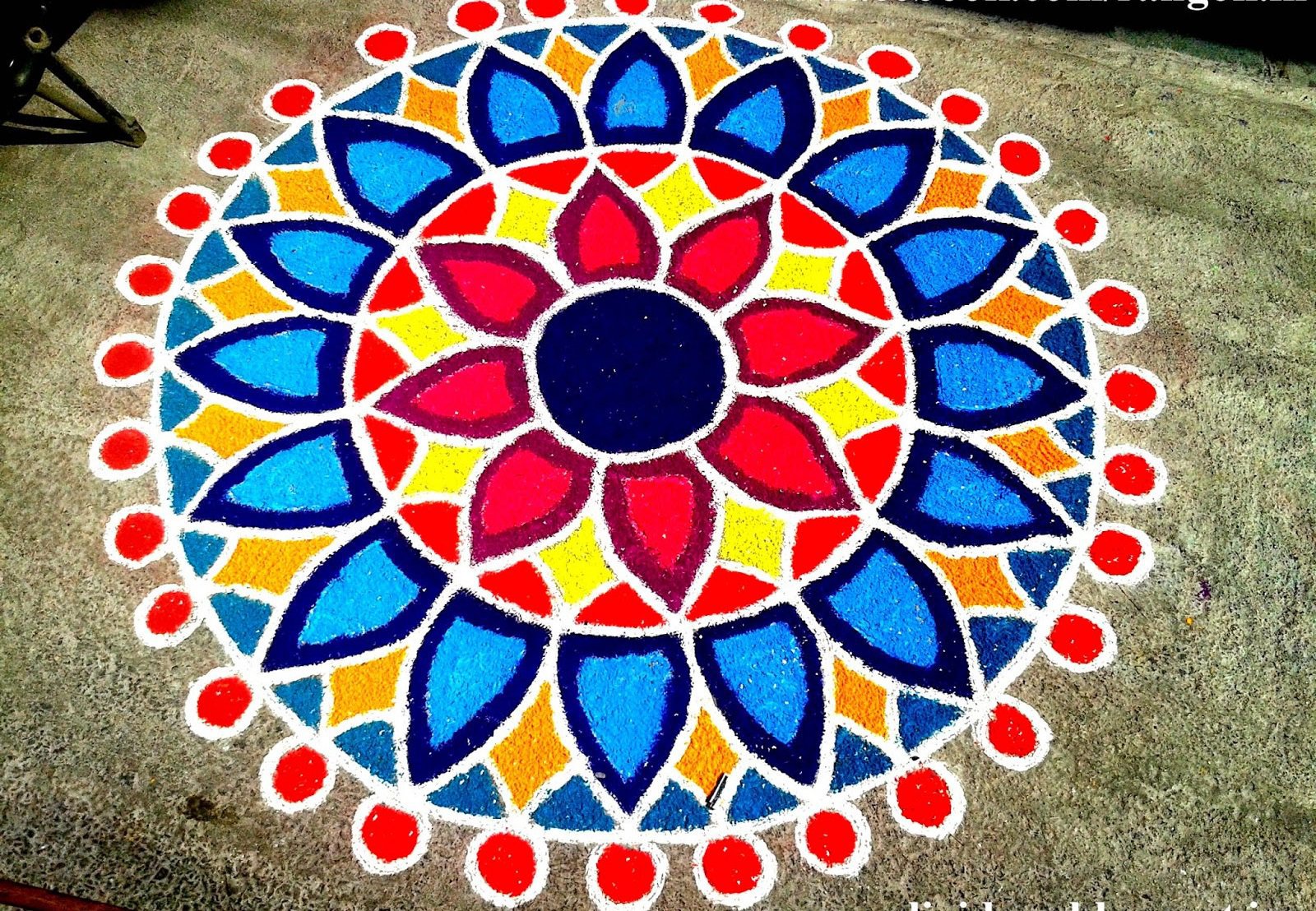
Easy New Half Circle Simple Rangoli Designs

Top 999+ rangoli images simple and beautiful design Amazing

Buy Desi FavorsMulticolor Floor Rangoli DIY Rangoli Kit/Rangoli for
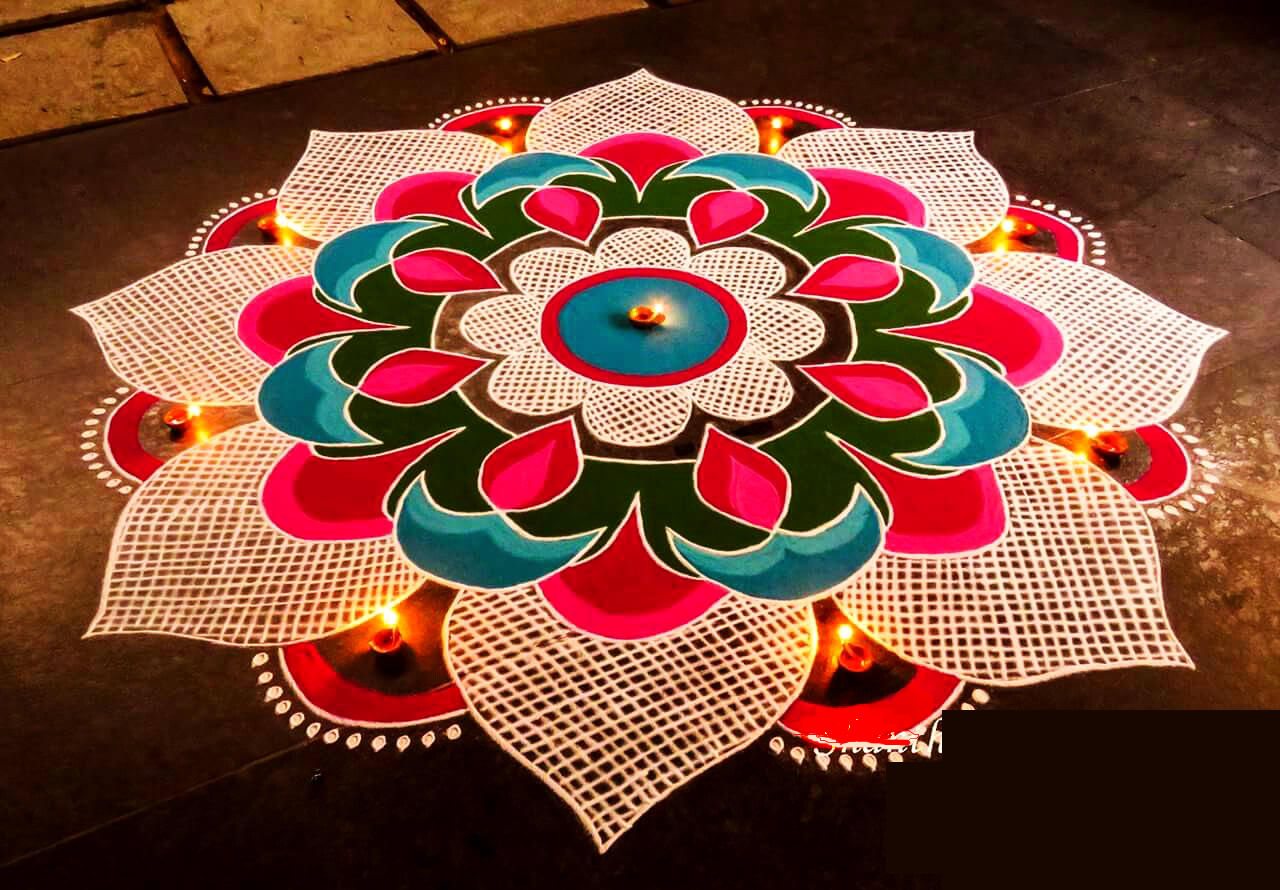
Astonishing Collection of Full 4K Rangoli Kolangal Images Over 999
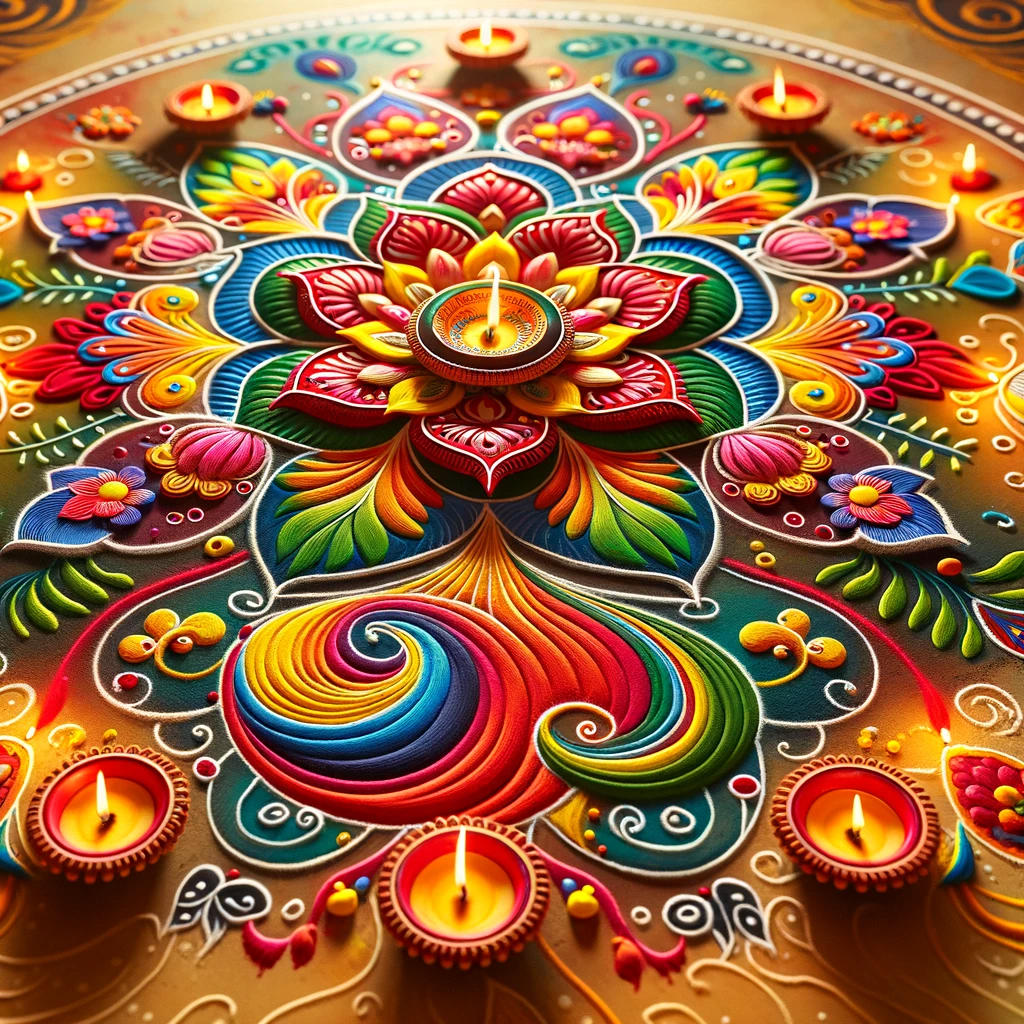
Rangoli Design for Diwali Easy, Simple Rangoli Designs
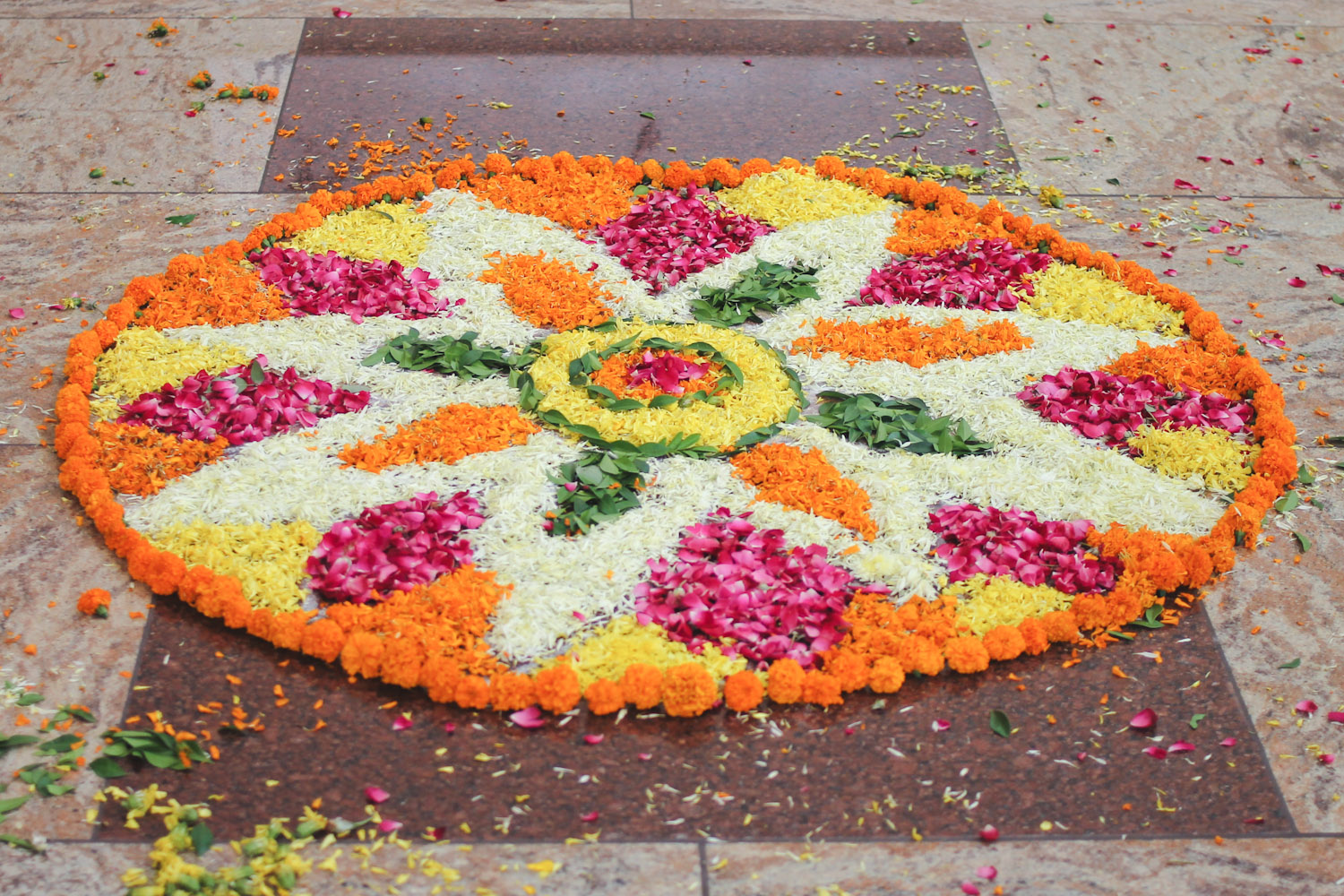
Incredible Compilation of Flower Rangoli Images Extensive Collection
Discover What Rangoli Is, Its Cultural Significance, And How This Vibrant Indian Floor Art Is Created.
Rangoli Is An Ancient Hindu Art Form From India.
Rangoli, One Of The Most Beautiful And Most Pleasing Art Forms Of India, Is Comprised Of Two Words, 'Rang' Meaning 'Color' And 'Aavalli' Meaning Colored Creepers' Or 'Row Of Colors'.
Related Post: