
Sand Pail Template
Sand Pail Template - Sand is a granular material composed of finely divided mineral particles. Sand is a natural, unconsolidated granular material. Sand has various compositions but is usually defined by its grain size. Particles from 0.0623 to 0.004 millimeters. Geologists define sand as fine rock particles with a diameter ranging from 0.063 to 2 millimeters. Discover the various sand types and their specific uses for construction, landscaping, and more. Learn what sand is, its composition, where it comes from, its uses, and whether it's a renewable resource. It is the same minerals from which those pieces are broken, such as granite and feldspar. It is finer than gravel and coarser than silt ranging. Sand grains are smaller than gravel and. Sand grains may be mineral. Find the perfect sand for your project with soil kings. From its formation to the diversity of sand types and its global importance: It is finer than gravel and coarser than silt ranging. Sand is a mixture of very small pieces of different rocks or minerals. Sand has various compositions but is usually defined by its grain size. When you’ve decided to add a new element to your property’s landscape, it’s important to know which kind of sand will work. It consists of sand grains ranging in size from 1/16 to 2 mm (62.5 to 2000 micrometers). Sand is a natural, unconsolidated granular material. Learn what sand is, its composition, where it comes from, its uses, and whether it's a renewable resource. It consists of sand grains ranging in size from 1/16 to 2 mm (62.5 to 2000 micrometers). It is finer than gravel and coarser than silt ranging. Geologists define sand as fine rock particles with a diameter ranging from 0.063 to 2 millimeters. Learn what sand is, its composition, where it comes from, its uses, and whether it's a renewable. Sand is a mixture of very small pieces of different rocks or minerals. Sand is a granular material composed of finely divided mineral particles. Sand grains are smaller than gravel and. Sand is gritty to touch. Particles from 0.0623 to 0.004 millimeters. Sand is a mixture of very small pieces of different rocks or minerals. It is also commonly defined by size i.e. Discover the various sand types and their specific uses for construction, landscaping, and more. Sand can be defined as the mixture of small fine grains of granular materials and rock. Sand grains may be mineral. Sand is gritty to touch. It is finer than gravel and coarser than silt ranging. Learn what sand is, its composition, where it comes from, its uses, and whether it's a renewable resource. An individual such particle is called a sand grain. Sand is a mixture of very small pieces of different rocks or minerals. Sand grains are smaller than gravel and. Sand is gritty to touch. Particles from 0.0623 to 0.004 millimeters. Sand grains may be mineral. An individual such particle is called a sand grain. When you’ve decided to add a new element to your property’s landscape, it’s important to know which kind of sand will work. It consists of sand grains ranging in size from 1/16 to 2 mm (62.5 to 2000 micrometers). From its formation to the diversity of sand types and its global importance: It is finer than gravel and coarser than. Sand is a natural, unconsolidated granular material. An individual such particle is called a sand grain. From its formation to the diversity of sand types and its global importance: Sand is gritty to touch. Sand is a natural material that can be used in many different ways. Find the perfect sand for your project with soil kings. Sand can be defined as the mixture of small fine grains of granular materials and rock. Sand is a granular material composed of finely divided mineral particles. Sand has various compositions but is usually defined by its grain size. Sand is a natural, unconsolidated granular material. Sand grains may be mineral. Discover the various sand types and their specific uses for construction, landscaping, and more. Sand has various compositions but is usually defined by its grain size. It is finer than gravel and coarser than silt ranging. It is also commonly defined by size i.e. From its formation to the diversity of sand types and its global importance: Sand can be defined as the mixture of small fine grains of granular materials and rock. Sand is a natural material that can be used in many different ways. An individual such particle is called a sand grain. Sand grains are smaller than gravel and. Discover the various sand types and their specific uses for construction, landscaping, and more. An individual such particle is called a sand grain. Learn what sand is, its composition, where it comes from, its uses, and whether it's a renewable resource. Sand is a natural material that can be used in many different ways. Particles from 0.0623 to 0.004 millimeters. Sand has various compositions but is usually defined by its grain size. It is also commonly defined by size i.e. It is the same minerals from which those pieces are broken, such as granite and feldspar. Sand is a natural, unconsolidated granular material. Sand is a granular material composed of finely divided mineral particles. Sand is a mixture of very small pieces of different rocks or minerals. It is finer than gravel and coarser than silt ranging. Find the perfect sand for your project with soil kings. Sand grains may be mineral. Geologists define sand as fine rock particles with a diameter ranging from 0.063 to 2 millimeters. From its formation to the diversity of sand types and its global importance:
Premium Vector Hand drawn illustration Outline of sandals Drawing for

Summer Slipper Line Art Coloring Page Stock Vector (Royalty Free
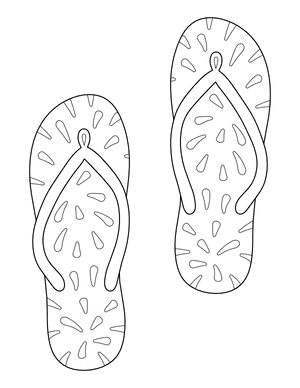
Free Printable Coloring Pages Page 29
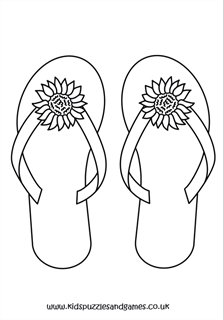
Flip Flop Coloring Pages Free
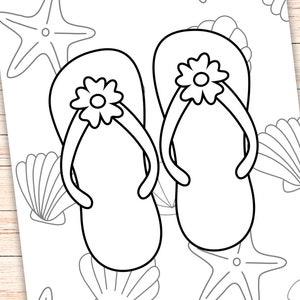
Summer Coloring Pages for Kids, Kids Party Games, Beach Birthday Favor
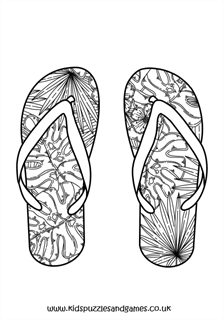
Summer Kids Puzzles and Games

Beach Coloring Pages 10 Free Printable PDFs

Premium Vector Doodle flip flop shoes in outline with flower pattern
Flip Flop Coloring Pages Free
Flip Flop Coloring Page
Sand Is Gritty To Touch.
It Consists Of Sand Grains Ranging In Size From 1/16 To 2 Mm (62.5 To 2000 Micrometers).
Sand Grains Are Smaller Than Gravel And.
When You’ve Decided To Add A New Element To Your Property’s Landscape, It’s Important To Know Which Kind Of Sand Will Work.
Related Post: