
When The Function Got Meme Template
When The Function Got Meme Template - 508 it's all about variable scoping. Variables declared in the self executing function are, by default, only available to code within the self executing function. Is it a way to write closure blocks in r? I would like to see a simple example to write a callback function. For example, the following lines is written in c: If a searcher comes here looking for the size of the object in memory, this is the actual question & answers. However, i do not understand the printing syntax. The identifier __func__ is implicitly declared by the translator as if, immediately following the opening brace of each function definition, the declaration static const char. For the complementary question about arguments. Jquery (a library built on javascript) has built in functions that generally required the dom to be fully rendered before being called. For example, the following lines is written in c: In c++, when and how do you use a callback function? Can someone please explain what. Variables declared in the self executing function are, by default, only available to code within the self executing function. This allows code to be. A function of that nature can be called at any time, anywhere. I am reading through a python script that takes an input of xml files and outputs an xml file. I have seen the use of %>% (percent greater than percent) function in some packages like dplyr and rvest. I would like to see a simple example to write a callback function. The identifier __func__ is implicitly declared by the translator as if, immediately following the opening brace of each function definition, the declaration static const char. I would like to see a simple example to write a callback function. 508 it's all about variable scoping. Is it a way to write closure blocks in r? Jquery (a library built on javascript) has built in functions that generally required the dom to be fully rendered before being called. However, i do not understand the printing syntax. For the complementary question about arguments. I have seen the use of %>% (percent greater than percent) function in some packages like dplyr and rvest. This allows code to be. Variables declared in the self executing function are, by default, only available to code within the self executing function. Jquery (a library built on javascript) has built in functions that. Is it a way to write closure blocks in r? 508 it's all about variable scoping. A function of that nature can be called at any time, anywhere. In c++, when and how do you use a callback function? I would like to see a simple example to write a callback function. For example, the following lines is written in c: You are obviously asking for the number of elements in the list. A function of that nature can be called at any time, anywhere. Variables declared in the self executing function are, by default, only available to code within the self executing function. I am reading through a python script that. If a searcher comes here looking for the size of the object in memory, this is the actual question & answers. Jquery (a library built on javascript) has built in functions that generally required the dom to be fully rendered before being called. More answers on how to use a lambda function, or pass it as a parameter: You are. Can someone please explain what. You are obviously asking for the number of elements in the list. More answers on how to use a lambda function, or pass it as a parameter: I have seen the use of %>% (percent greater than percent) function in some packages like dplyr and rvest. For example, the following lines is written in c: For example, the following lines is written in c: Jquery (a library built on javascript) has built in functions that generally required the dom to be fully rendered before being called. More answers on how to use a lambda function, or pass it as a parameter: Simple example parameter as a function java. 508 it's all about variable scoping. See what do ** (double star/asterisk) and * (star/asterisk) mean in a function call? Is it a way to write closure blocks in r? For the complementary question about arguments. Jquery (a library built on javascript) has built in functions that generally required the dom to be fully rendered before being called. I have seen the use of %>% (percent. The identifier __func__ is implicitly declared by the translator as if, immediately following the opening brace of each function definition, the declaration static const char. Is it a way to write closure blocks in r? Simple example parameter as a function java. For example, the following lines is written in c: Variables declared in the self executing function are, by. This allows code to be. See what do ** (double star/asterisk) and * (star/asterisk) mean in a function call? Can someone please explain what. The identifier __func__ is implicitly declared by the translator as if, immediately following the opening brace of each function definition, the declaration static const char. If a searcher comes here looking for the size of the. Is it a way to write closure blocks in r? Jquery (a library built on javascript) has built in functions that generally required the dom to be fully rendered before being called. However, i do not understand the printing syntax. For example, the following lines is written in c: 508 it's all about variable scoping. I am reading through a python script that takes an input of xml files and outputs an xml file. Can someone please explain what. A function of that nature can be called at any time, anywhere. I have seen the use of %>% (percent greater than percent) function in some packages like dplyr and rvest. I would like to see a simple example to write a callback function. If a searcher comes here looking for the size of the object in memory, this is the actual question & answers. In c++, when and how do you use a callback function? This allows code to be. The identifier __func__ is implicitly declared by the translator as if, immediately following the opening brace of each function definition, the declaration static const char. You are obviously asking for the number of elements in the list. Variables declared in the self executing function are, by default, only available to code within the self executing function.
When the function got _____ Blank Template Imgflip

When the function got Blank Template Imgflip

yall got any Blank Template Imgflip

FREE Funny Meme Templates & Examples Edit Online & Download
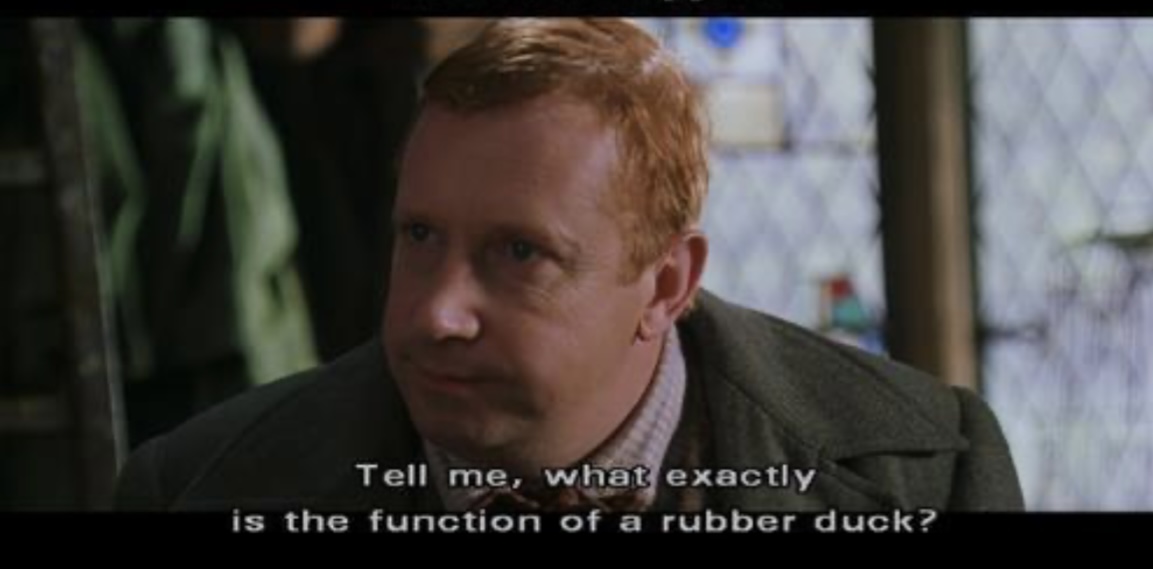
what exactly is the function Blank Template Imgflip

White people at the function Blank Template Imgflip

GOT meme Blank Template Imgflip

When the function got hennesy Blank Template Imgflip

function got henny?? Meme Generator
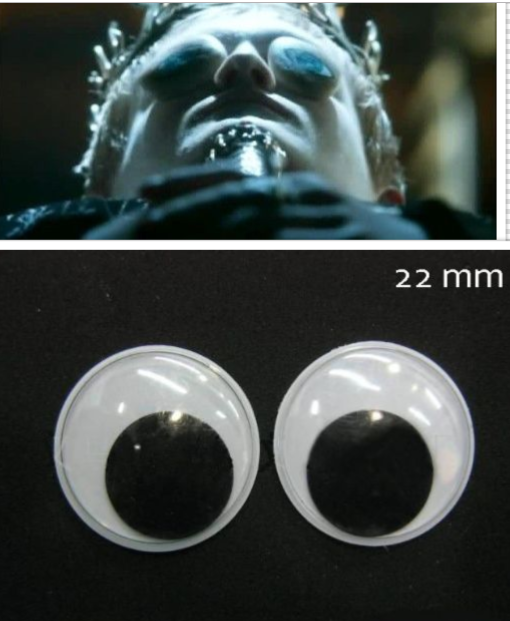
got Blank Template Imgflip
See What Do ** (Double Star/Asterisk) And * (Star/Asterisk) Mean In A Function Call?
For The Complementary Question About Arguments.
More Answers On How To Use A Lambda Function, Or Pass It As A Parameter:
Simple Example Parameter As A Function Java.
Related Post: